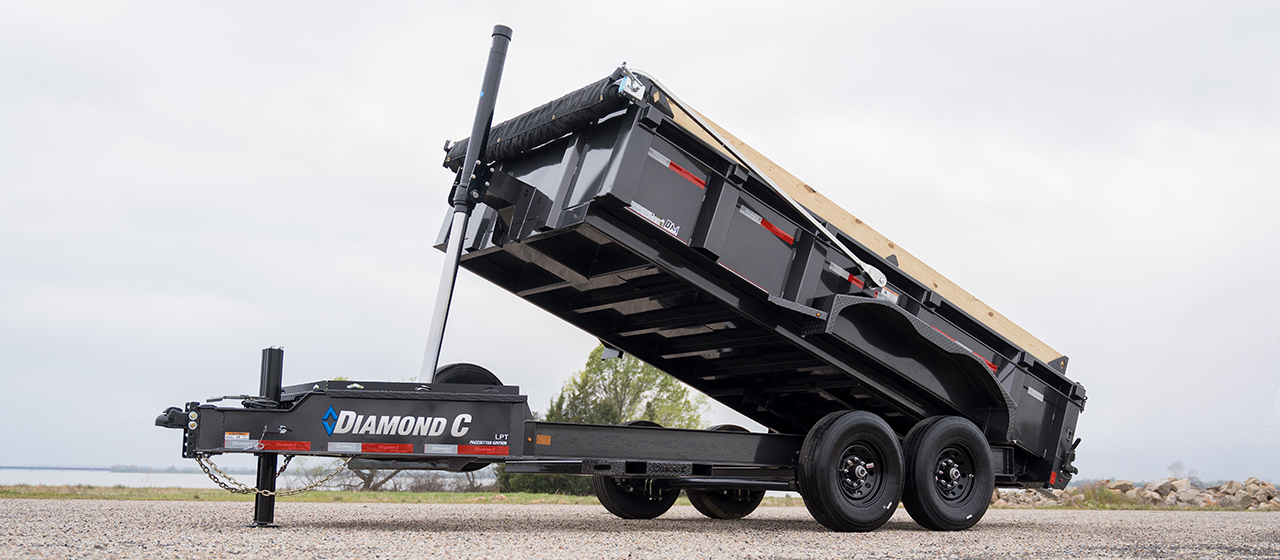
14,000+ lb Dump Trailer
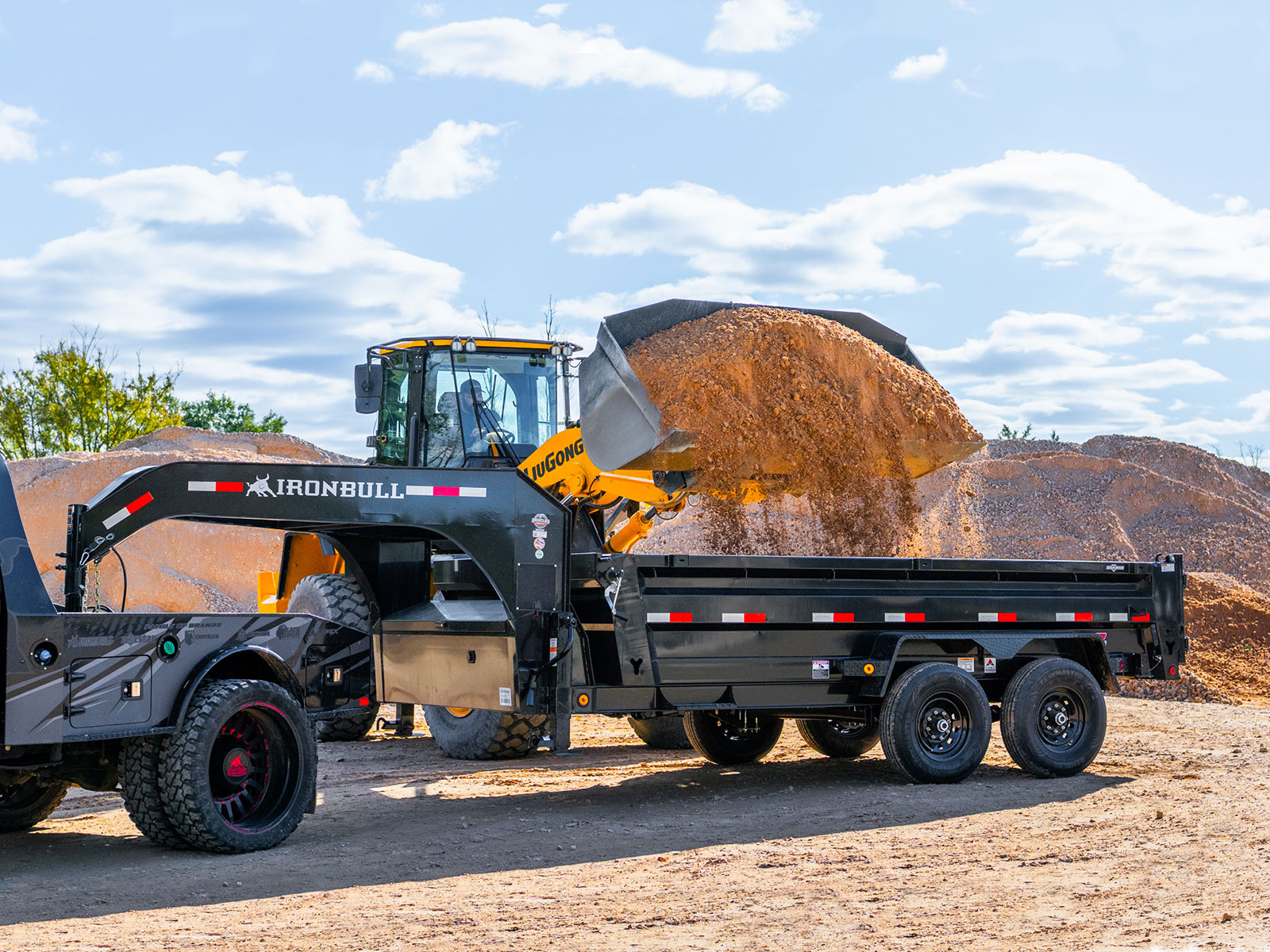
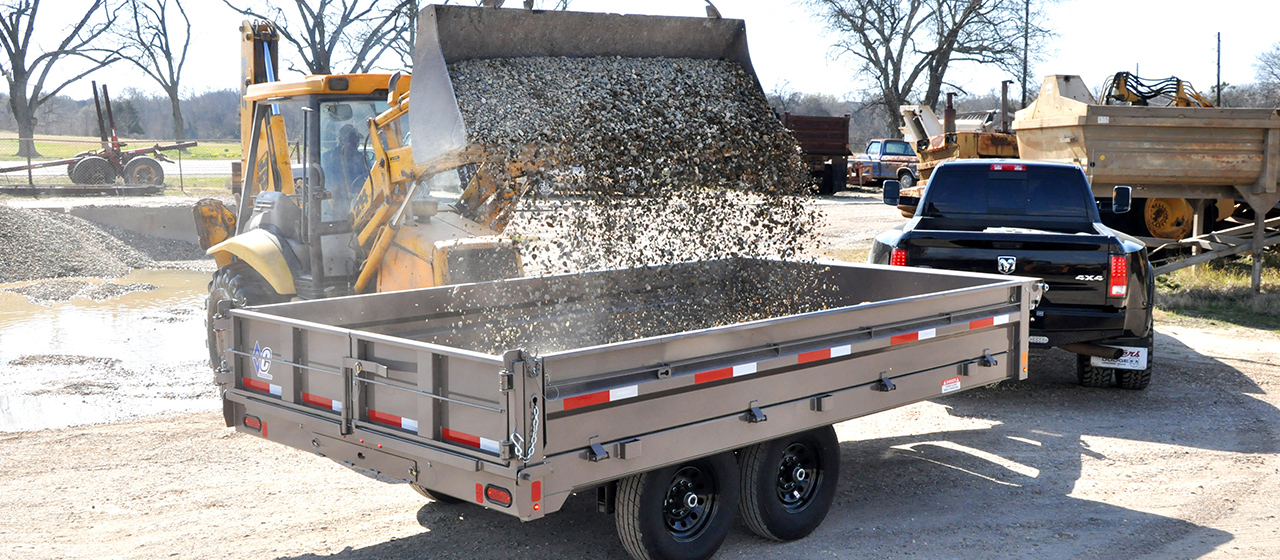
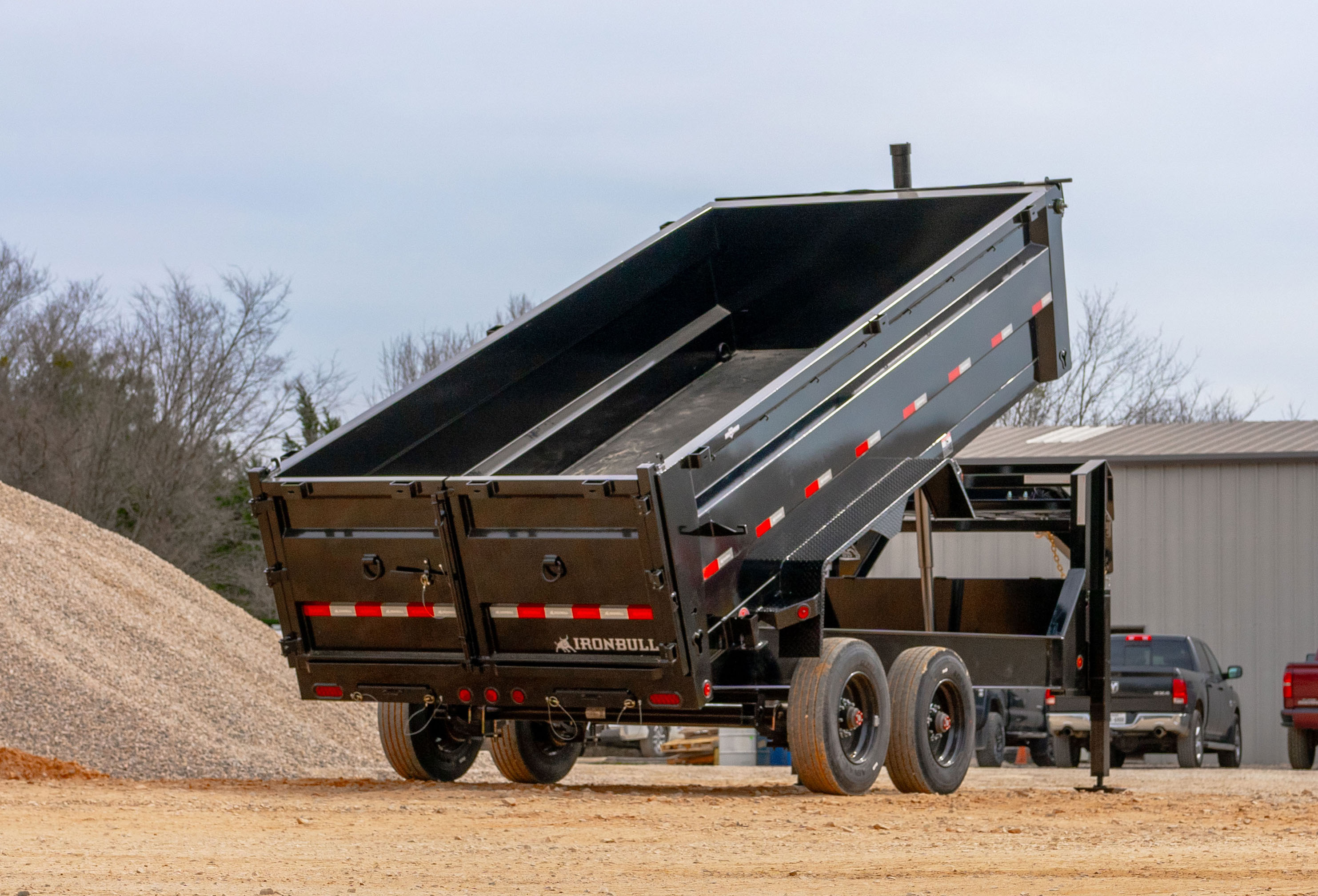
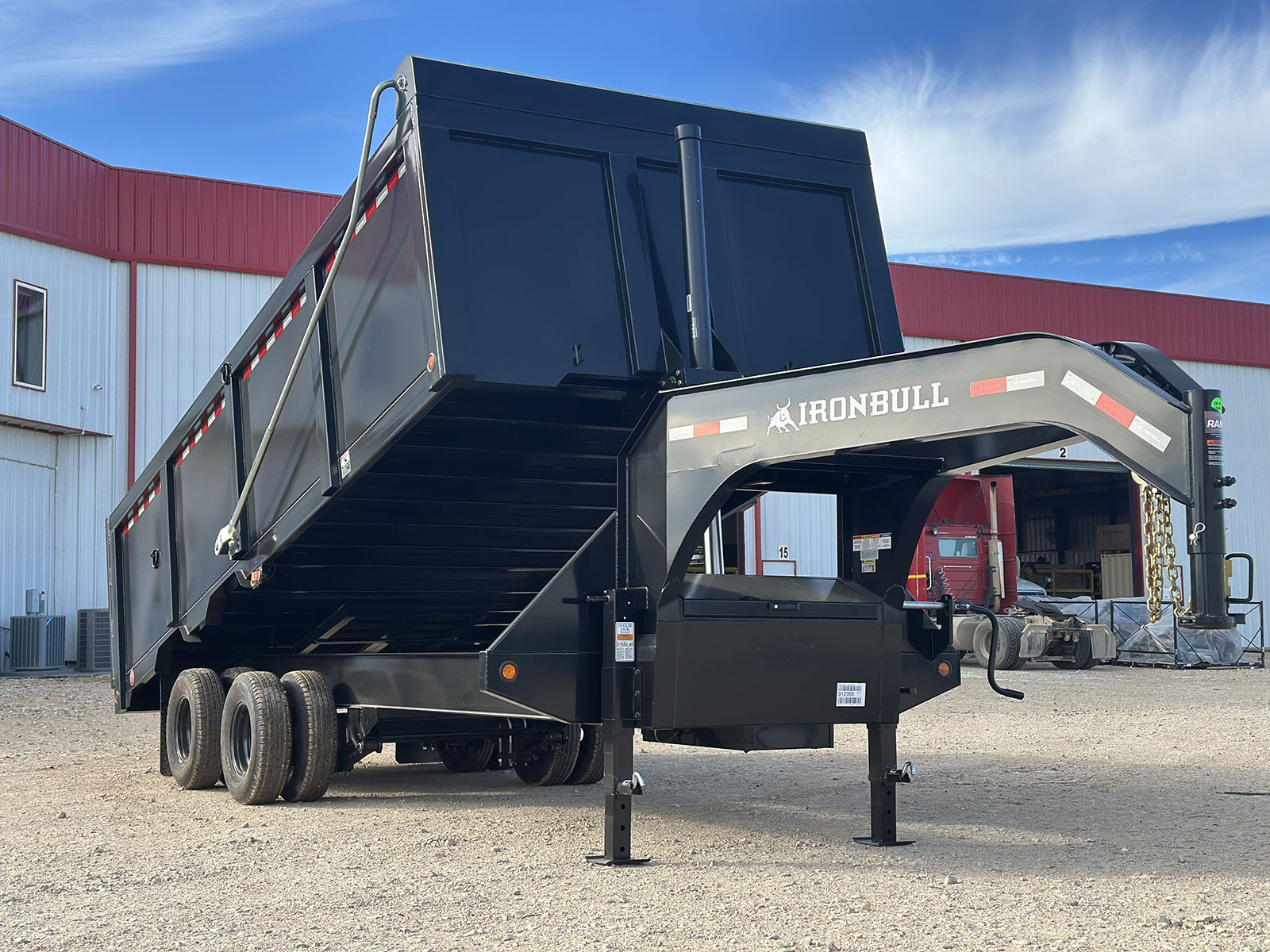
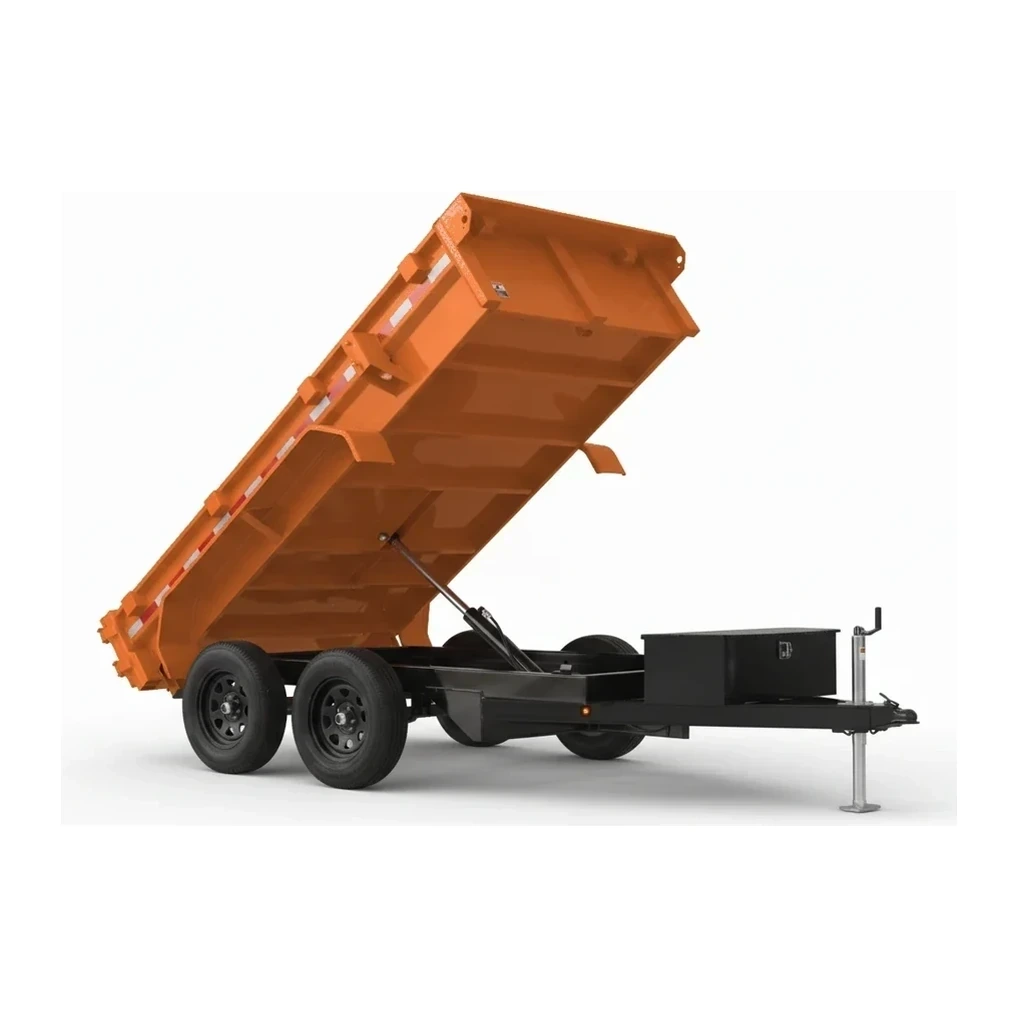
The 14,000+ lb dump trailer class represents the heaviest end of the dump trailer ladder, encompassing gooseneck and heavy-duty bumper-pull models designed to move several cubic yards of material per trip. With load capacities ranging from 6,803 to 27,216 kg, these trailers handle high-volume hauling beyond the reach of lighter equipment. This is the top rung of the dump trailer category, applied where payload weight and volume dictate substantial towing infrastructure.
Cat classes
Pick a size class: capacity and reach differ across the range.
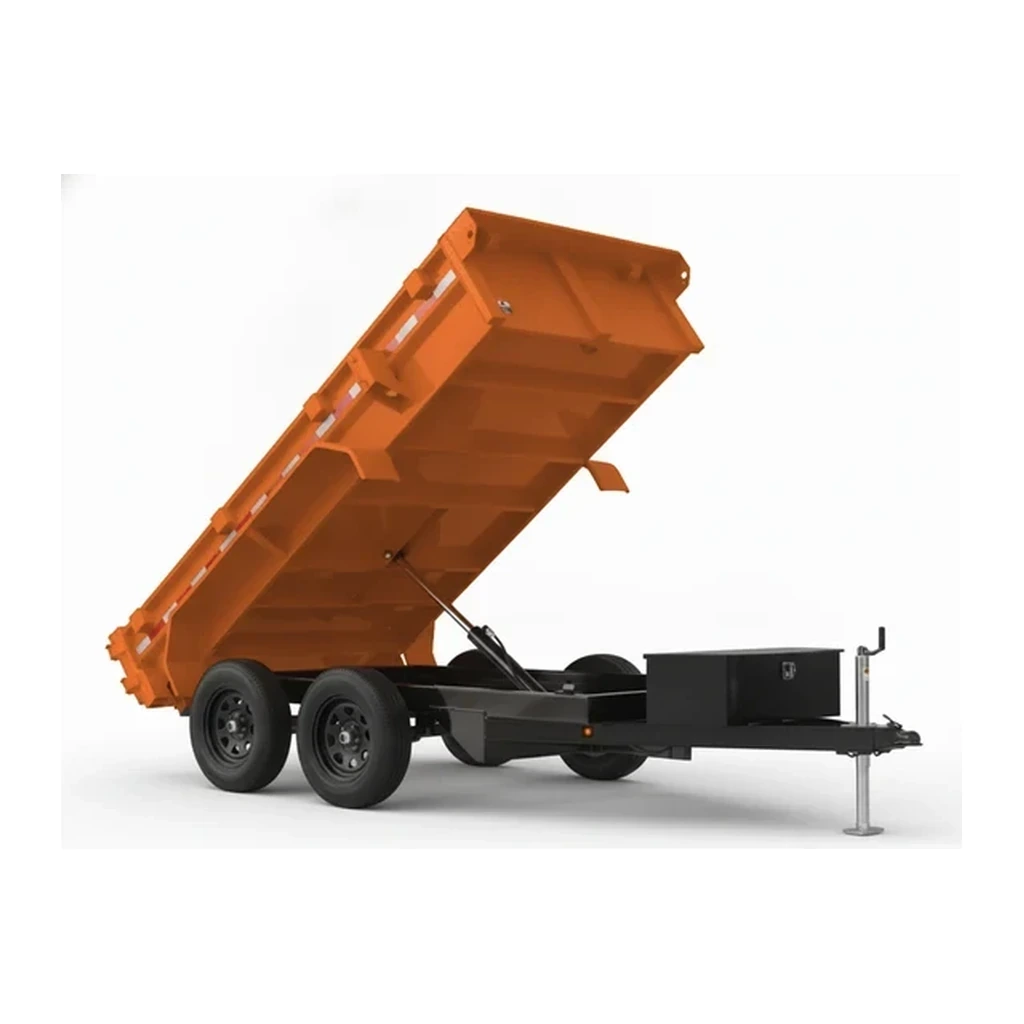
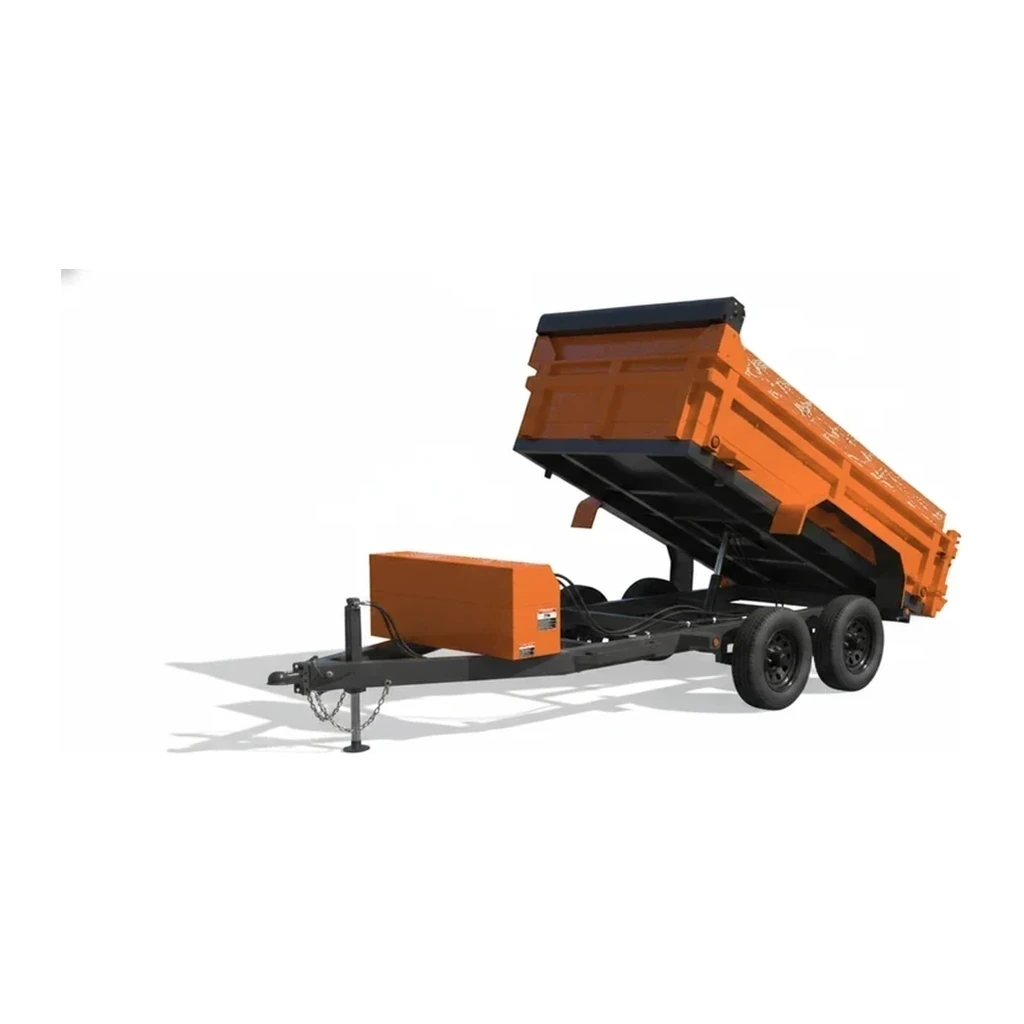
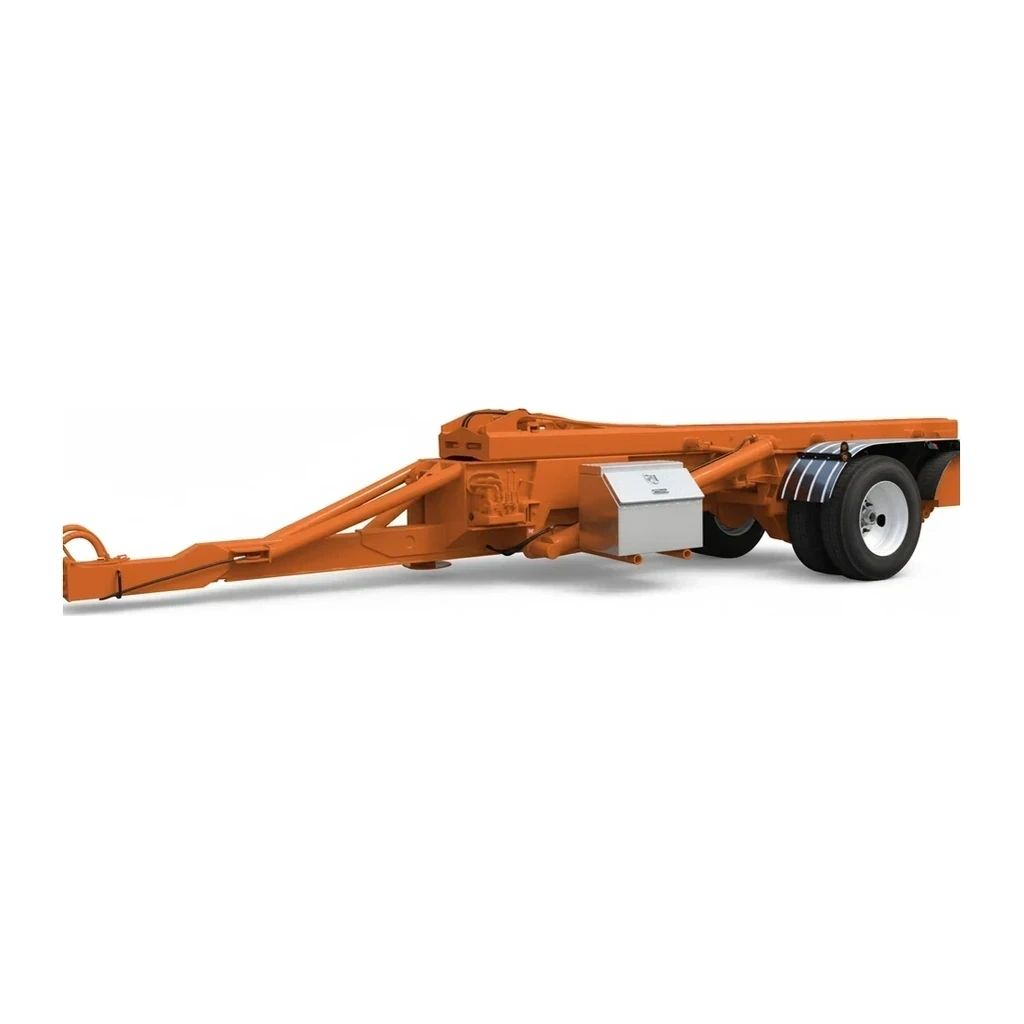
Key specifications
| Specification | Typical range | What it means |
|---|---|---|
| Load capacity | 14,998–60,001 lb (6,803–27,216 kg) | Maximum payload the trailer bed can legally and structurally carry when dumped or in transit. |
| Coupling type | Gooseneck or heavy bumper-pull | Gooseneck hitches distribute weight over the tow vehicle's rear axle; heavy bumper-pull models require substantial tongue-weight capacity. |
| Bed volume | 10-20 yd³ | Cubic yardage of loose material the dump bed can contain, varying with sidewall height and length. |
| GVWR | 14,000–70,000 lb (6,350–31,751 kg) | Gross Vehicle Weight Rating includes trailer tare weight plus maximum payload; dictates licensing and tow-vehicle requirements. |
How to choose
This class is appropriate when hauling multi-yard loads of aggregate, demolition debris, or bulk soil in environments where a 7,000-14,000 lb Dump Trailer cannot accommodate the payload weight or volume. Gooseneck models in this band require a suitable fifth-wheel or gooseneck-equipped tow vehicle, typically a one-ton or larger pickup, and commercial towing endorsements may apply depending on GVWR. The 7,000-14,000 lb Dump Trailer class is the alternative when payloads remain under approximately three tons and the job site permits multiple smaller trips, avoiding the infrastructure and licensing overhead of heavy-duty equipment.
What this size handles
- Hauling 8-15 tons of asphalt millings or recycled concrete from roadway rehabilitation sites
- Moving bulk topsoil or gravel for large-scale grading and landscaping operations
- Transporting demolition debris from commercial teardowns where volume and weight exceed municipal roll-off limits
- Delivering aggregate base material to remote infrastructure projects without direct truck access
- Shuttling quarried stone or sand between pit and batchplant in high-volume production cycles
- Clearing brush, stumps, and overburden during land-clearing operations requiring repeated heavy loads
Safety & operation
- Verify tow-vehicle hitch rating, axle capacity, and brake controller match or exceed trailer GVWR before coupling
- Distribute payload evenly along bed length and secure against shifting; overloading the tongue or rear can destabilize towing dynamics
- Ensure dump site has firm, level footing and adequate overhead clearance for the raised bed; unstable ground can tip the trailer during unloading
- Confirm safety chains, breakaway cable, and lighting circuits function before every trip; trailer brakes must activate independently if uncoupled under load
Transport & logistics
- Gooseneck models require a one-ton or heavier pickup with factory or aftermarket gooseneck/fifth-wheel hitch rated to match trailer GVWR
- Heavy bumper-pull variants demand Class IV or V receiver hitches and tow vehicles with adequate tongue-weight capacity, typically ¾-ton or larger trucks
- Commercial Driver's License or special endorsements may be required when combined gross weight exceeds 26,000 lb or when hauling for hire, depending on jurisdiction
Power & supply
- Electric brakes or hydraulic surge brakes actuated by the tow vehicle; gooseneck models typically use electric-over-hydraulic systems
- Hydraulic dump cylinders powered by 12V DC electric-over-hydraulic pumps drawing from the tow vehicle battery or onboard power pack
- Seven-pin or heavier electrical connectors supply running lights, brake signal, and hydraulic-pump power; some models include breakaway battery systems
Frequently asked
What differentiates a gooseneck dump trailer from a heavy bumper-pull model in this class?
Do trailers in this class require commercial registration or special permits?
How is load capacity verified on site?
Related equipment
Browse by manufacturer
Sources
Every specification is verified against the manufacturer's published data, with the source linked for reference.
14,000+ lb Dump Trailer
21 models · Every spec cited to source