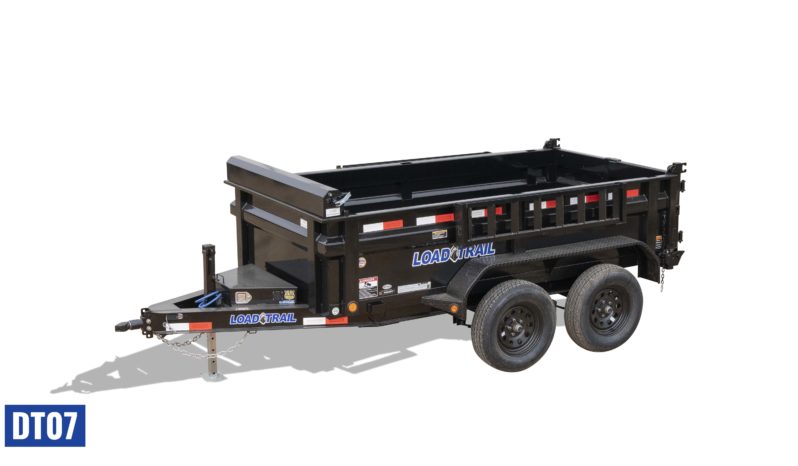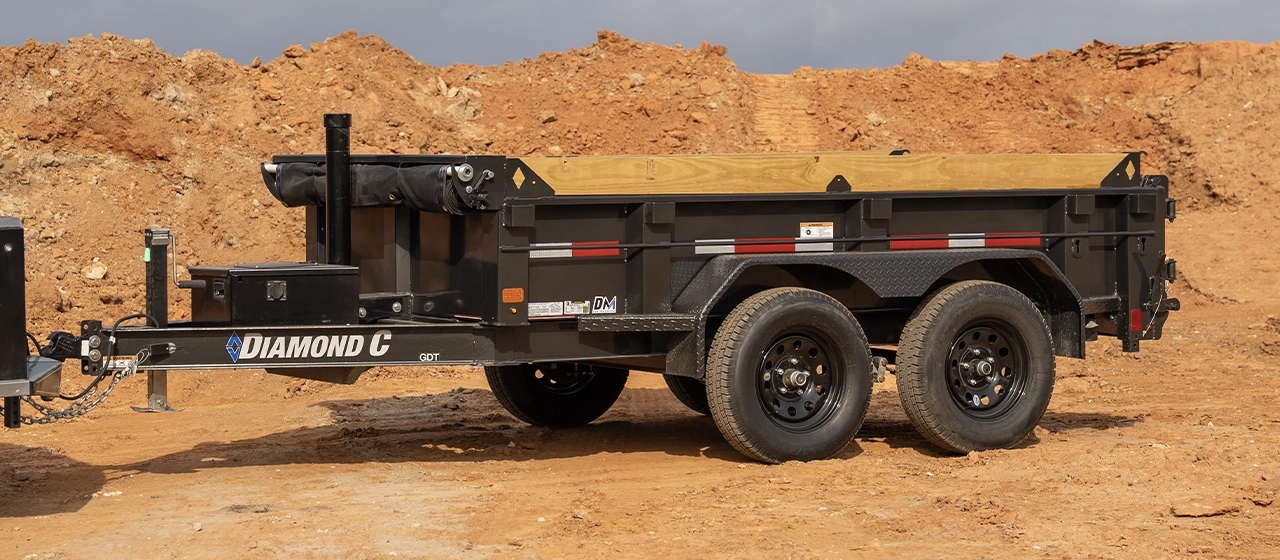

Up to 7,000 lb Dump Trailer
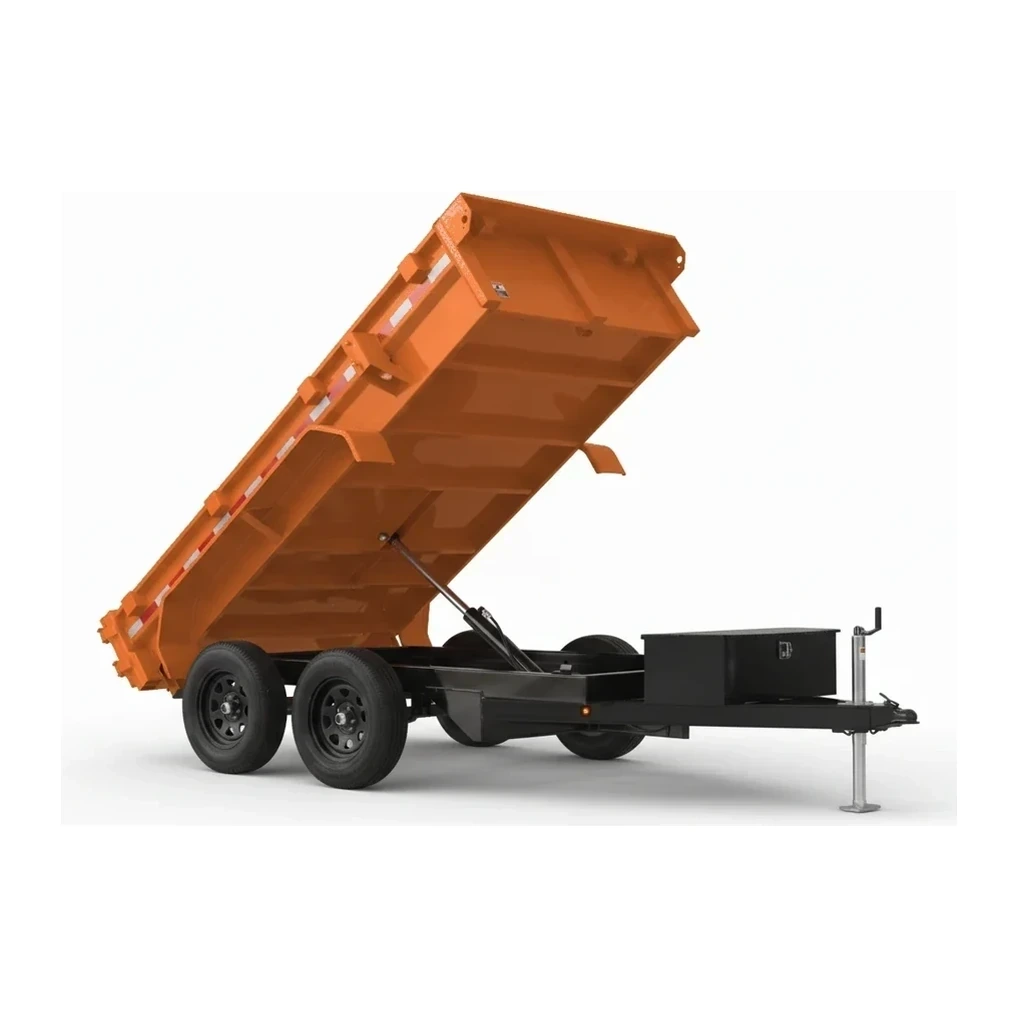
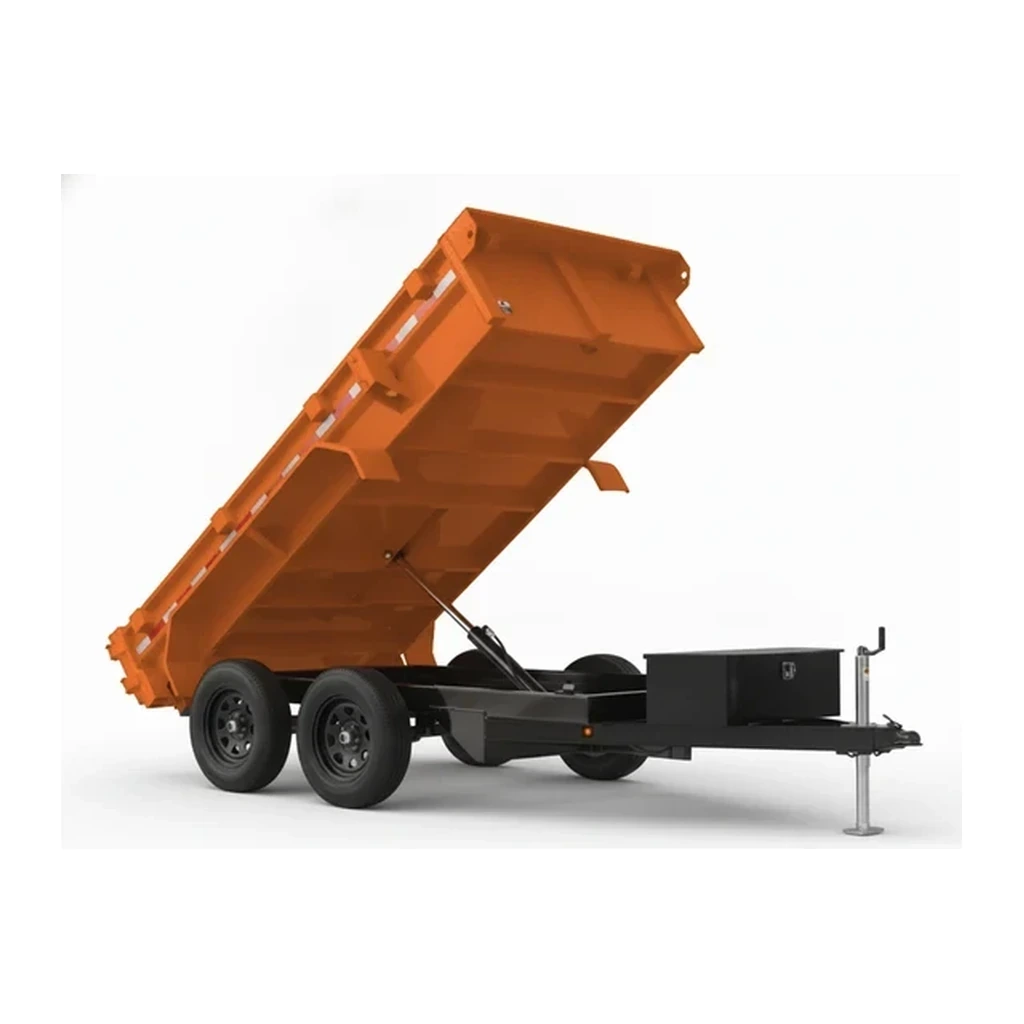
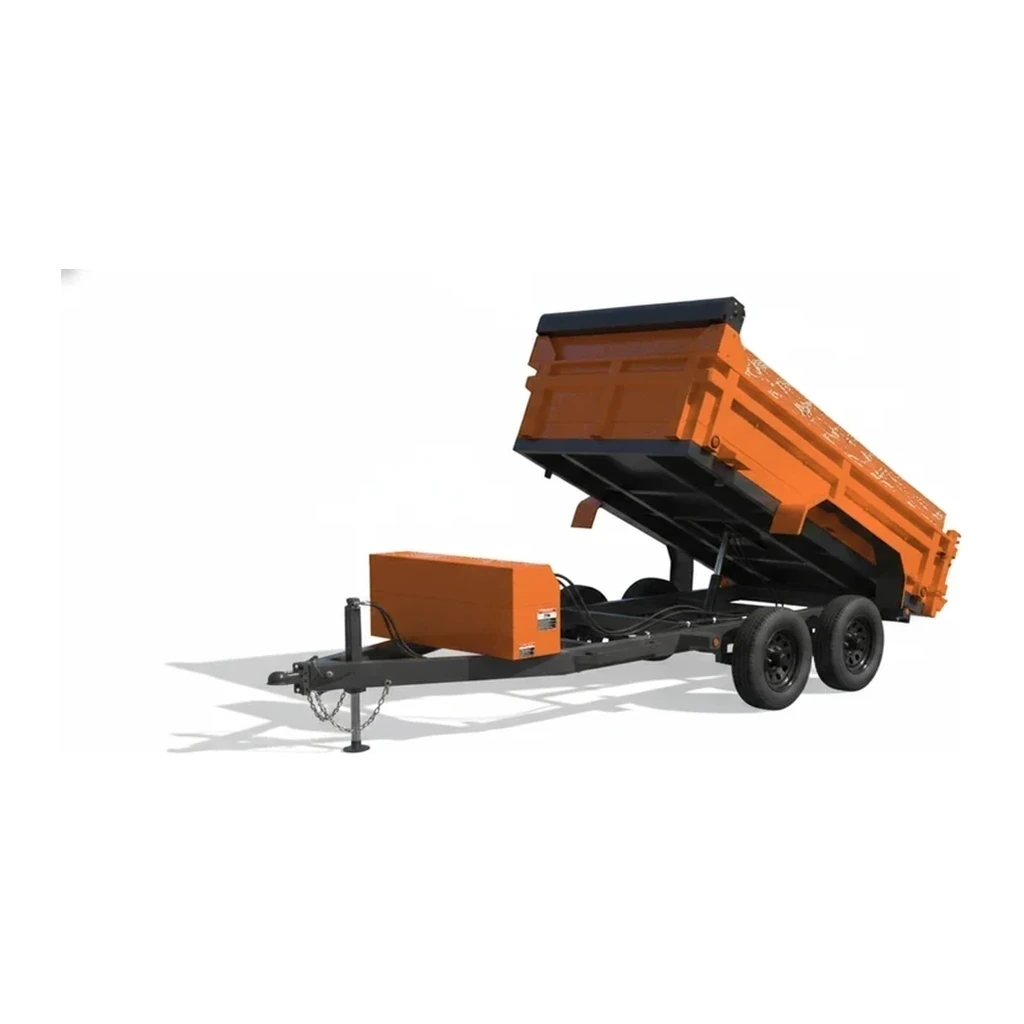
Up to 7,000 lb dump trailers are light-duty units designed for hauling a yard or two of material and demolition debris behind half-ton pickup trucks. This class sits at the entry level of the dump trailer ladder, offering manual or electric hydraulic tilting in compact beds typically 5-7 feet long. For heavier loads or larger volumes, the industry moves to 7,000-14,000 lb dump trailers.
Cat classes
Pick a size class: capacity and reach differ across the range.
Key specifications
| Specification | Typical range | What it means |
|---|---|---|
| Load capacity | 550-3,175 kg (1,200-7,000 lb) | Defines the maximum material weight the trailer bed and axle system can carry. |
| GVWR | Up to 7,000 lb (3,175 kg) | Gross vehicle weight rating; total allowable weight of trailer plus load. |
| Bed length | 5–7 ft (1.5–2.1 m) | Shorter beds suit tight jobsites and simplify towing with compact and mid-size trucks. |
| Dump mechanism | Manual or 12V electric hydraulic | Electric kits allow remote bed tilting; manual requires a hand crank or lever. |
How to choose
Up to 7,000 lb dump trailers handle cleanup debris, small landscaping loads, and light aggregate work behind consumer-grade trucks with standard towing packages. The 550-3,175 kg capacity accommodates one to two cubic yards of soil, gravel, or mixed demolition waste without exceeding half-ton truck tow ratings. When jobsite volumes exceed two yards, or when hauling dense materials like wet clay or crushed concrete, the 7,000-14,000 lb Dump Trailer class provides the structural margin and bed volume required. This size class assumes single-axle or tandem-axle light-duty frames; operators needing tri-axle stability or commercial-grade durability specify the heavier bands.
What this size handles
- Residential yard cleanup: bagged leaves, pruned branches, and sod removal
- Small landscaping jobs: one yard of mulch, topsoil, or decorative gravel
- Light renovation debris: drywall scraps, trim, and non-structural lumber
- Estate and property maintenance: seasonal cleanout of sheds and outbuildings
- DIY concrete removal: small patio or walkway sections, broken into manageable pieces
Safety & operation
- Verify tow vehicle's rated capacity includes trailer weight plus anticipated load; exceeding GCWR creates brake and handling risks
- Distribute material evenly in the bed to prevent tongue-weight imbalance and trailer sway
- Engage safety chains and verify breakaway brake cable connection before every tow
- Stand clear of the dump radius when raising the bed; hydraulic failure or load shift can cause sudden descent
Transport & logistics
- Towed by half-ton pickups, SUVs, and crossovers with factory or Class III hitches rated 5,000-7,000 lb
- Single-axle models maneuver easily in residential driveways and suburban streets
- Tandem-axle variants in this class require slightly wider turning clearance but distribute load for smoother highway towing
Power & supply
- 12V electric hydraulic dump kits draw power from the tow vehicle's 7-pin trailer connector
- Manual dump systems require no electrical connection; operator uses hand crank or pull-lever at the tongue
- Battery-equipped models carry onboard 12V batteries for dump operation independent of the tow vehicle
Frequently asked
What volume of material fits in an up to 7,000 lb dump trailer?
Do trailers in this class require electric brakes?
When does a project justify stepping up to the 7,000-14,000 lb class?
Related equipment
Browse by manufacturer
Sources
Every specification is verified against the manufacturer's published data, with the source linked for reference.
Up to 7,000 lb Dump Trailer
14 models · Every spec cited to source