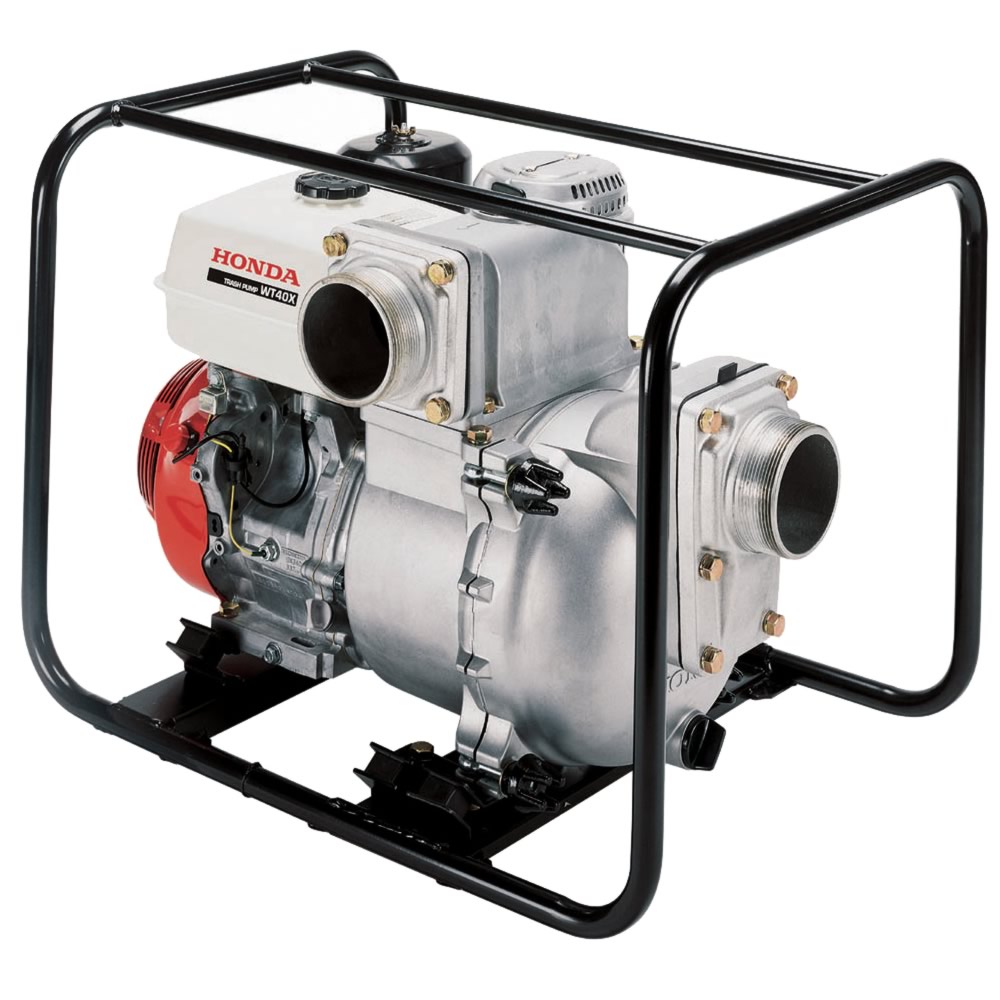

Centrifugal Dewatering Pump
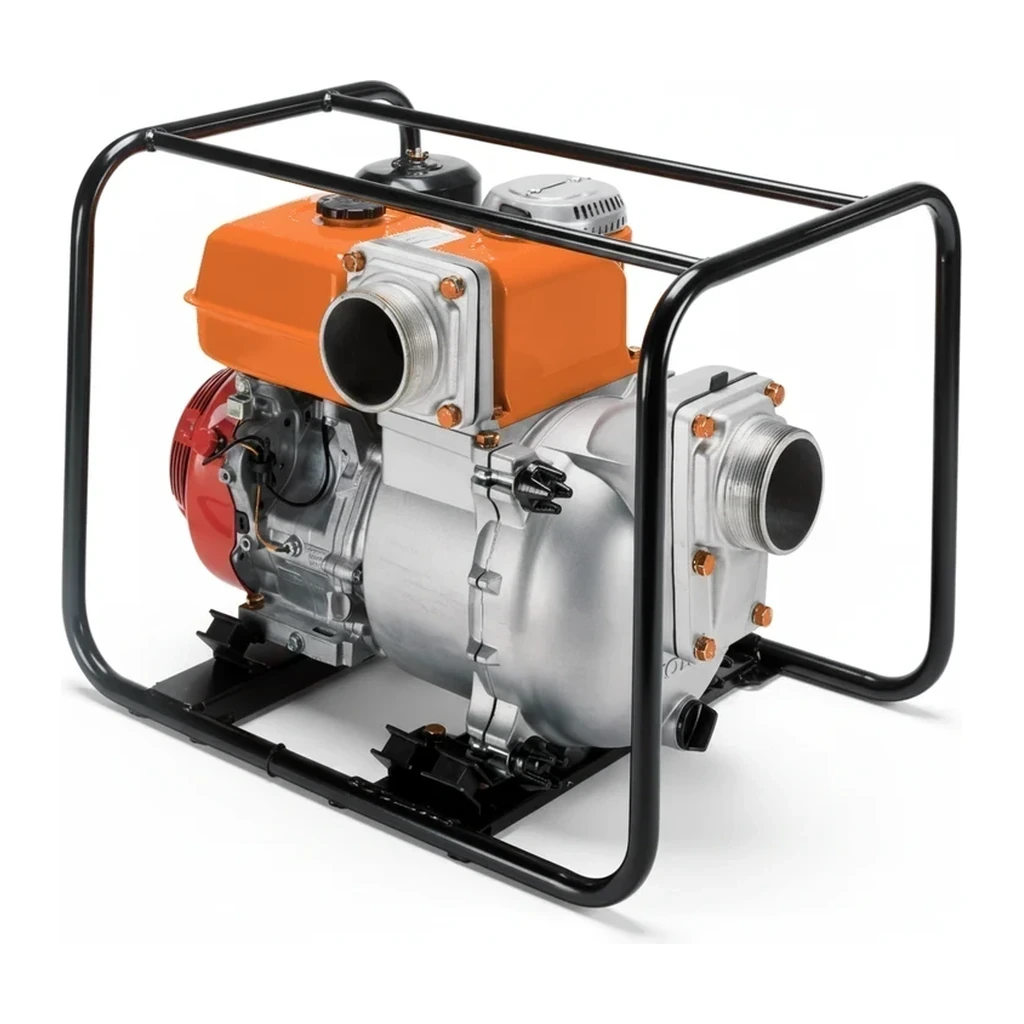
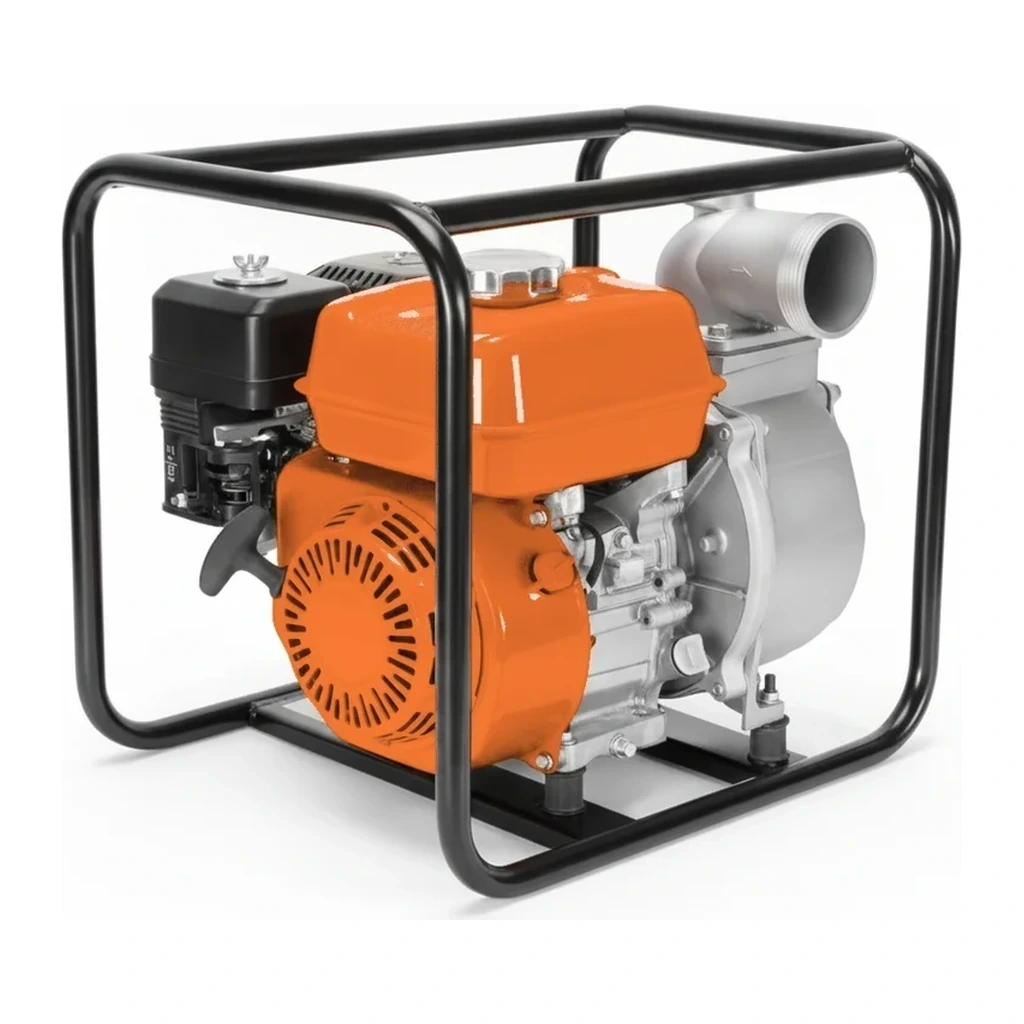
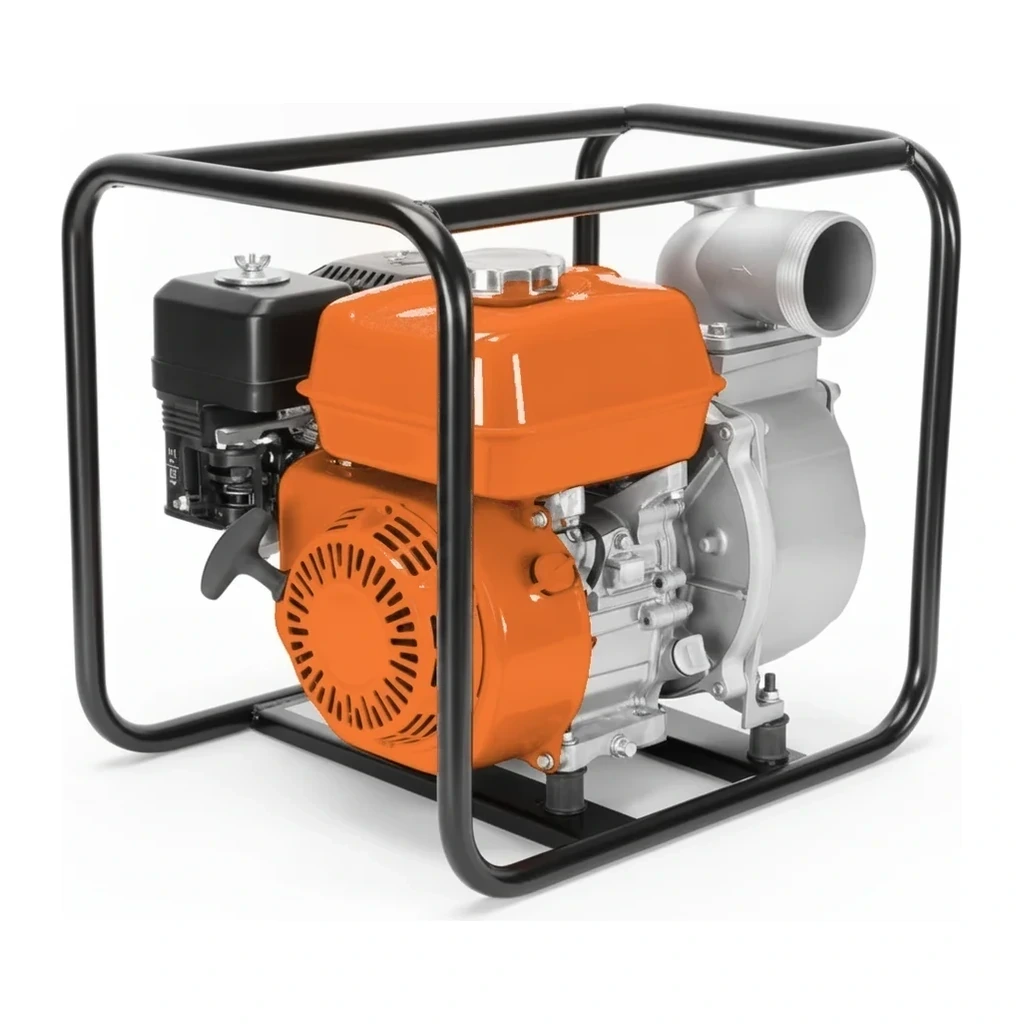
A centrifugal dewatering pump is a self-priming or externally-primed pump designed to move large volumes of clean or relatively debris-free water from excavations, sumps, reservoirs, and work sites. Unlike trash pumps, centrifugal dewatering pumps prioritize high flow rates and efficient operation with solids-free or lightly contaminated water. The rental industry deploys these pumps for applications ranging from small-scale tank filling to municipal flood control and irrigation.
Cat classes
Elija una clase de tamaño — la capacidad y el alcance varían en la gama.
Cómo funciona
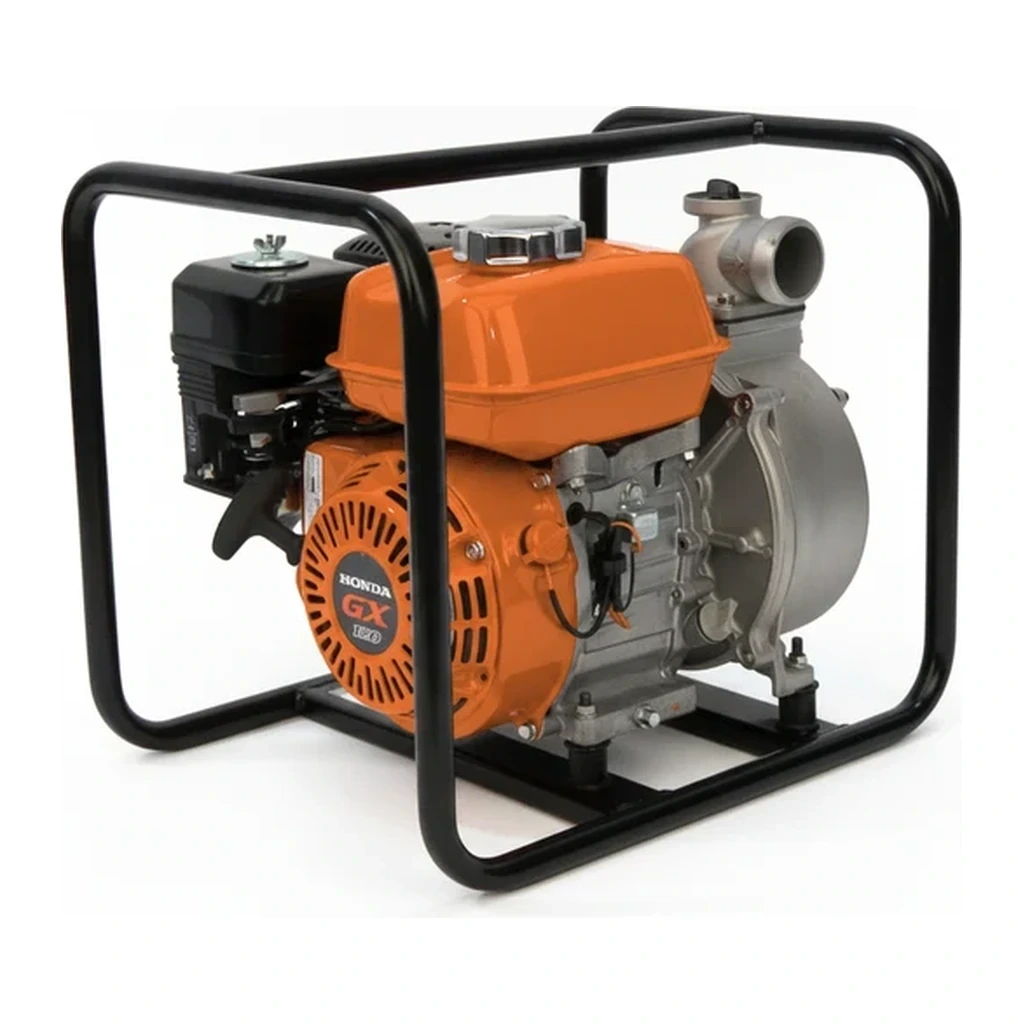
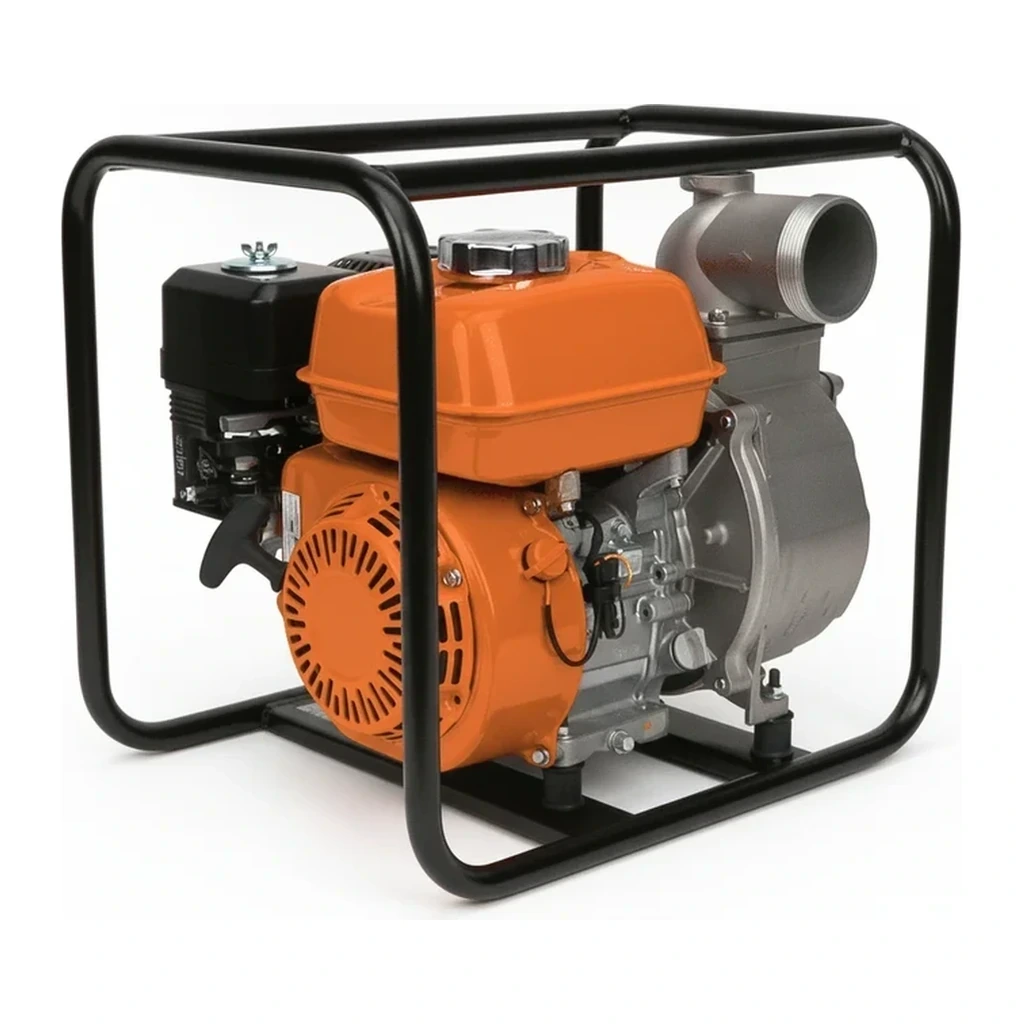
Centrifugal dewatering pumps use a rotating impeller inside a volute casing to accelerate water outward, converting rotational energy into fluid velocity and pressure. Most models are self-priming, using a vacuum chamber or priming reservoir to evacuate air from the suction line and establish flow without external priming assistance. Engine-driven units typically run gasoline or diesel engines coupled directly or through a gearbox to the pump shaft, while electric models use AC motors for stationary or generator-fed applications. Flow rate and head are determined by impeller diameter, rotational speed, and discharge size. Larger discharge diameters deliver higher volumes at lower pressures, suitable for moving water across distances with minimal elevation change. Smaller units provide higher head for lifting water vertically or overcoming friction losses in longer discharge lines.
Tipos y variantes
- Self-Priming Centrifugal
- Most common configuration; uses an internal priming chamber to evacuate air and establish suction automatically, enabling operation above the water line.
- Trash-Handling Centrifugal
- Semi-open or recessed impeller design that tolerates small solids and light debris while maintaining centrifugal efficiency for cleaner water applications.
- High-Head Centrifugal
- Multi-stage or high-speed impeller designs delivering greater vertical lift (up to 250 ft head), used for hydrostatic testing or elevated discharge.
- Trailer-Mounted Diesel
- Large-capacity units on towable trailers with integrated fuel tanks, controls, and discharge piping for extended utility-scale or emergency flood response.
- Electric Submersible
- Fully submersible motor-pump assembly for continuous operation in pits, basins, or tanks where noise and emissions must be minimized.
Especificaciones clave
| Especificación | Rango típico | Qué significa |
|---|---|---|
| Discharge Diameter | 1.2–6 in (50–100 mm) | Primary sizing metric; larger diameters move higher volumes at lower pressure, smaller sizes deliver greater head. |
| Flow Rate | 34–6,320 gpm | Volume of water moved per minute; varies with head, impeller speed, and discharge size. |
| Max Head | 23–250 ft (7.0–76.2 m) | Maximum vertical lift or pressure the pump can generate; decreases as flow rate increases. |
| Engine Power | 5.5–350 hp | Prime mover output; larger engines drive higher flow and head capabilities in gasoline or diesel models. |
| Operating Weight | 21–2,682 kg (46–5,912 lbs) | Total unit weight including engine, pump, and frame; influences portability and site access requirements. |
Cómo la industria lo dimensiona
The rental industry sizes centrifugal dewatering pumps by discharge port diameter in inches. Units up to 3 in handle clean-water transfer and light dewatering—filling tanks, draining pits, flushing lines. Pumps from 3–4 in deliver high-volume clean water on trenches or wash-down operations, providing more flow than trash pumps of the same size. Mid-range units from 4–6 in manage sustained dewatering of clear excavations or water truck fill stations. Large-diameter pumps from 6–8 in serve reservoir drawdown, hydrostatic testing, and pond transfer. Units from 8–12 in operate on diesel skids or trailers for high-volume site and municipal transfer. Pumps above 12 in address flood, irrigation, and utility-scale water movement. Selection depends on required flow rate, total head (vertical lift plus friction losses), solids content, and site access for trailer or skid-mounted configurations.
Aplicaciones
- Excavation and trench dewatering for construction sites with clean groundwater infiltration
- Hydrostatic testing of pipelines, tanks, and pressure vessels requiring high-volume water supply and removal
- Reservoir drawdown and pond transfer for dam maintenance, dredging, or aquatic management
- Water truck filling stations at large earthwork or dust-control operations
- Emergency flood response and stormwater bypass during municipal infrastructure repairs
- Irrigation system supply from canals, lakes, or temporary storage basins
Seguridad y operación
- Prime pumps according to manufacturer procedures to avoid dry running, which damages seals and impellers
- Secure suction and discharge hoses with appropriate couplings and restraints to prevent whip during startup or line rupture
- Maintain fuel, oil, and coolant levels on engine-driven units; ensure adequate ventilation to prevent carbon monoxide accumulation
- Inspect strainers and foot valves regularly to prevent debris ingestion that reduces efficiency or causes impeller damage
- Ground electrical connections on motor-driven pumps and use GFCI protection in wet environments
Normas y certificaciones
- Hydraulic Institute (HI) · ANSI/HI 9.6.1–9.6.9
- Standards for centrifugal pump design, performance testing, and application guidelines covering self-priming and standard configurations.
- EPA · Tier 4
- Emission standards for diesel engines; newer large-capacity dewatering pumps comply with Tier 4 Final for non-road compression-ignition engines.
Preguntas frecuentes
What is the difference between a centrifugal dewatering pump and a trash pump?
How is pump performance affected by total head?
Can centrifugal dewatering pumps run dry?
What determines the choice between gasoline, diesel, and electric models?
Comparar modelos populares
Buscar por especificación →Normalizado a las mismas unidades. Un guion significa que el valor no fue publicado.
| Modelo | Caudal | Altura manométrica máx | Potencia del motor |
|---|---|---|---|
| Honda WB20 | 164 gpm | 105 ft (32.0 m) | - |
| Honda WB30 | 290 gpm | 85 ft (25.9 m) | 163 cm3 |
| Honda WT20 | 185 gpm | 85 ft (25.9 m) | - |
| Honda WT30 | 317 gpm | 82 ft (25.0 m) | - |
| Honda WT40 | 423 gpm | 82 ft (25.0 m) | - |
| Honda WSP33 | 40 gpm | 23 ft (7.0 m) | - |
Equipos relacionados
Explorar por fabricante
Fuentes
Cada especificación se verifica con los datos publicados por el fabricante, con la fuente enlazada como referencia.
Todos los modelos
265 modelos · Página 6 de 6 · Cada especificación citada a la fuente