
Cushion Tire Forklift
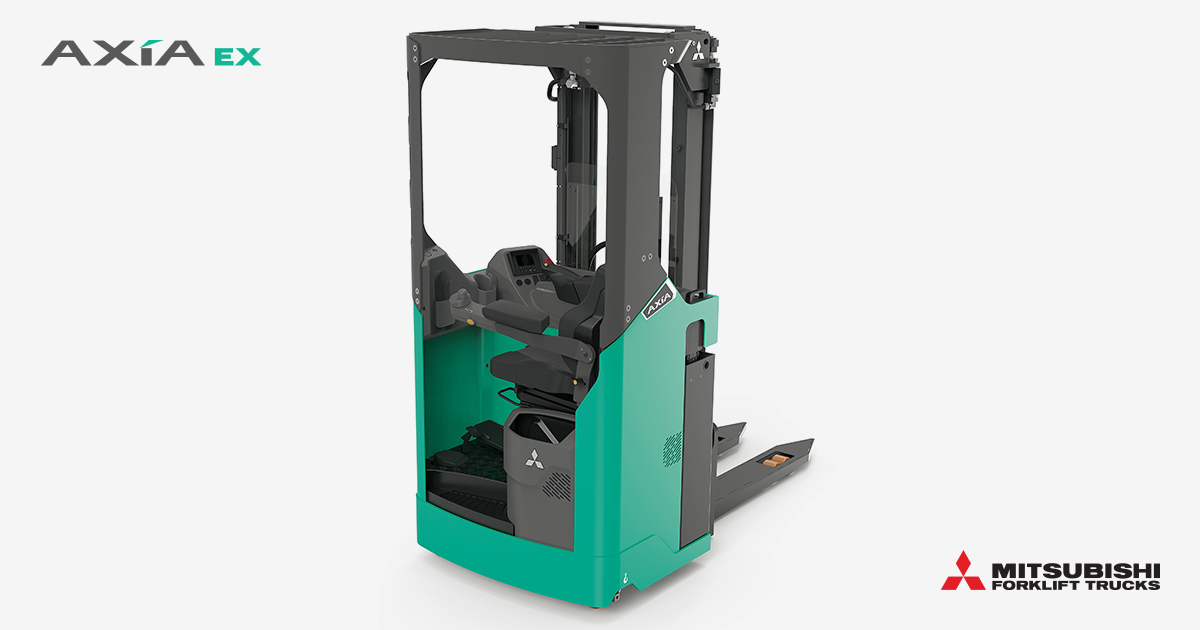
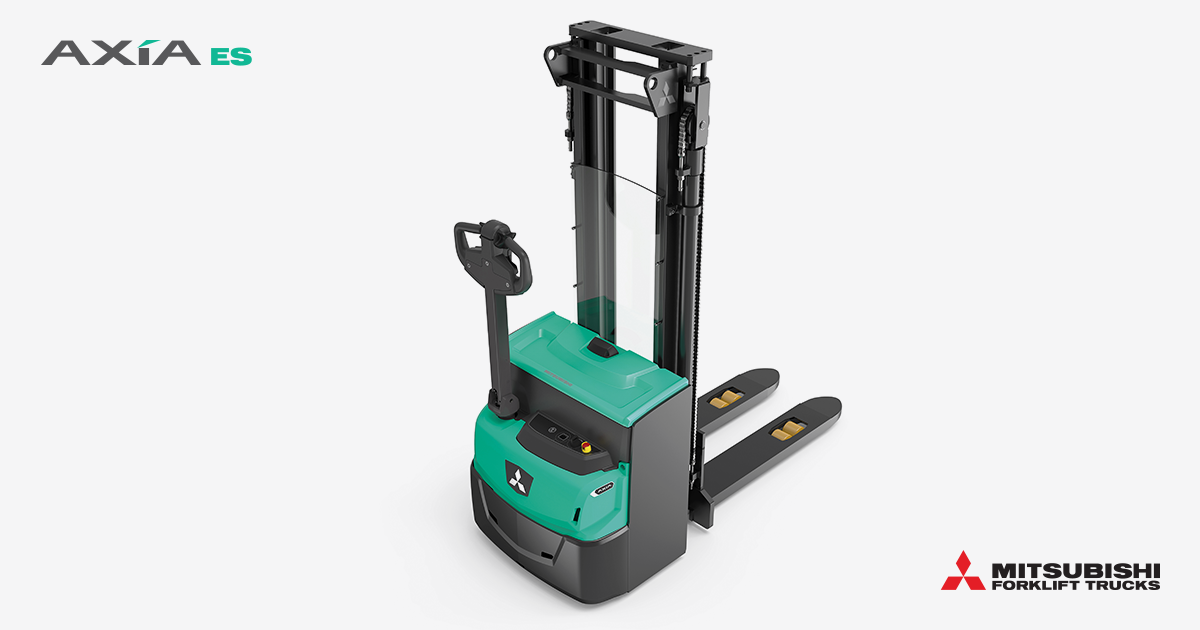
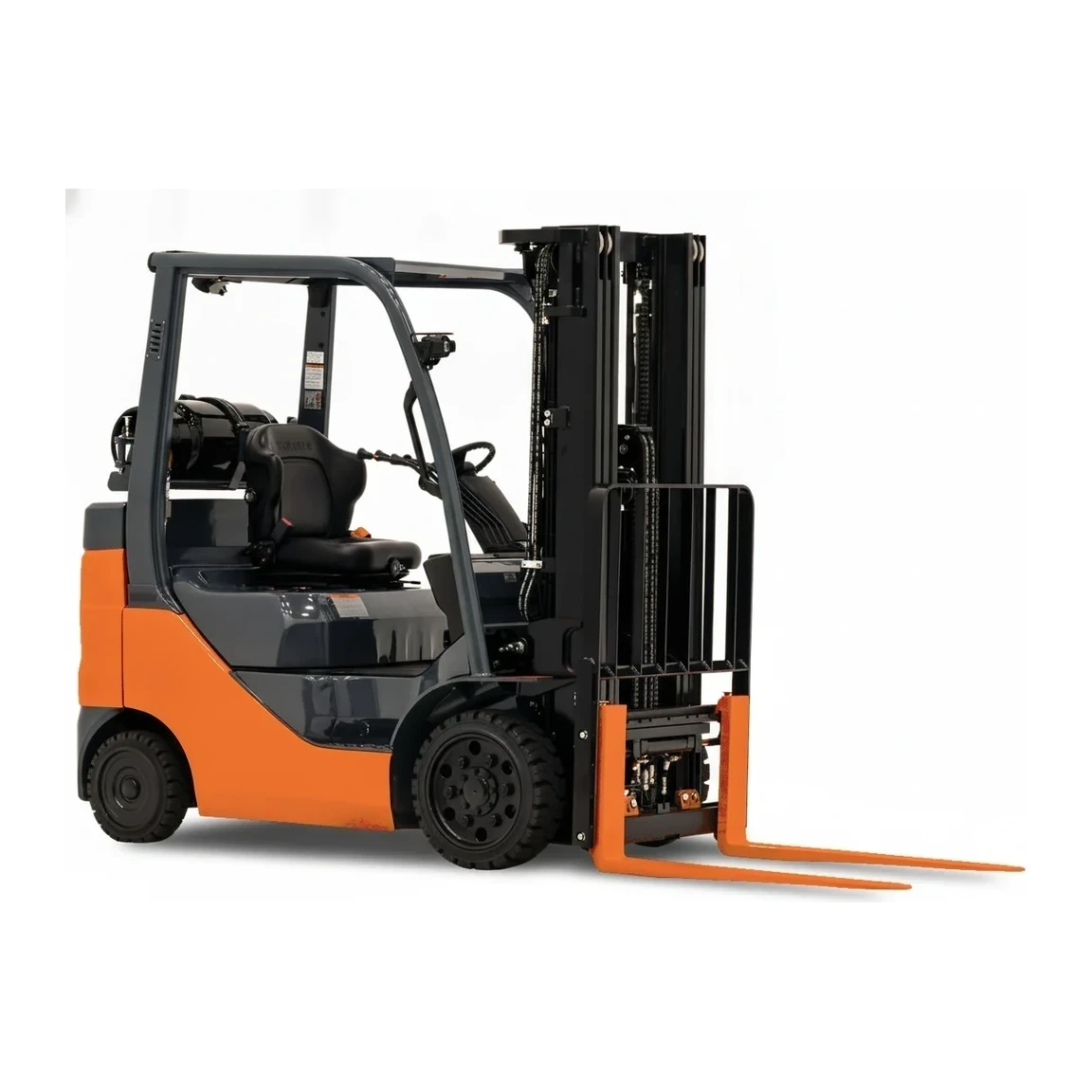
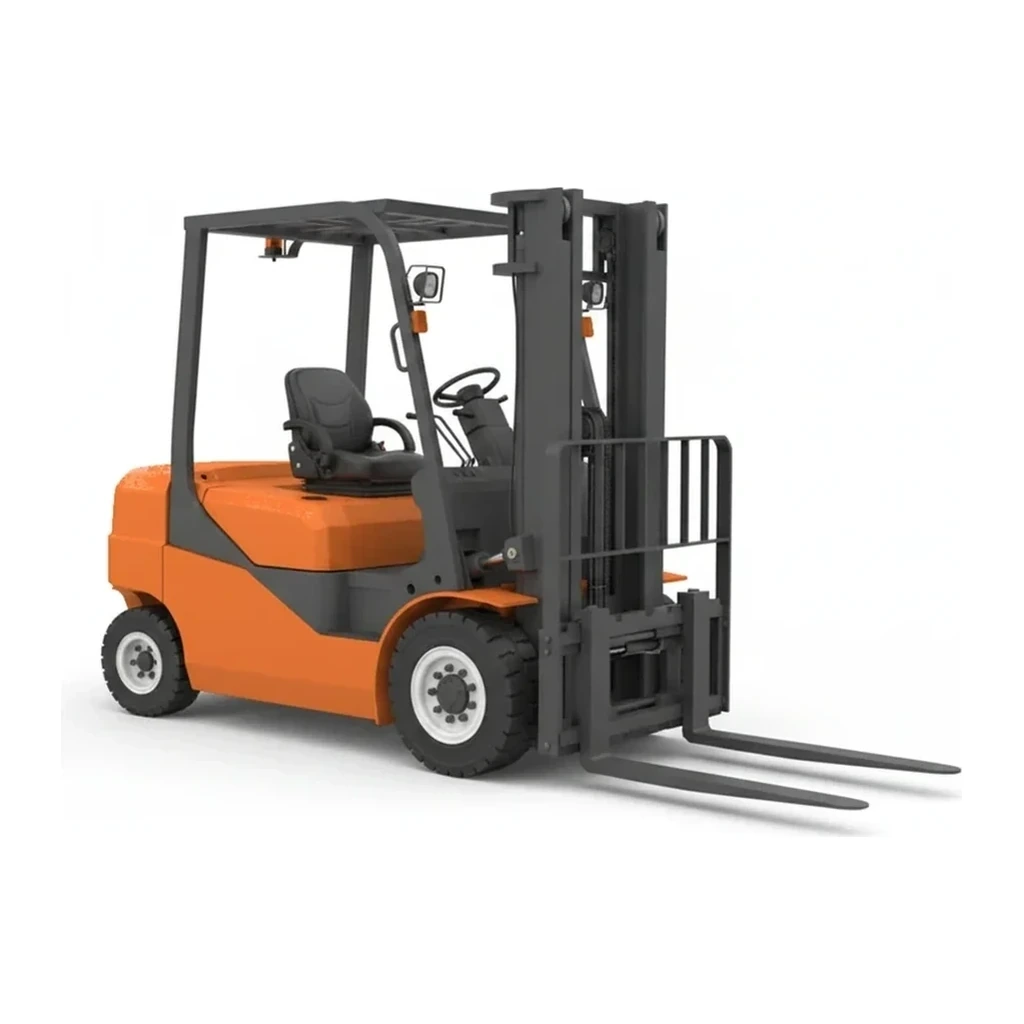
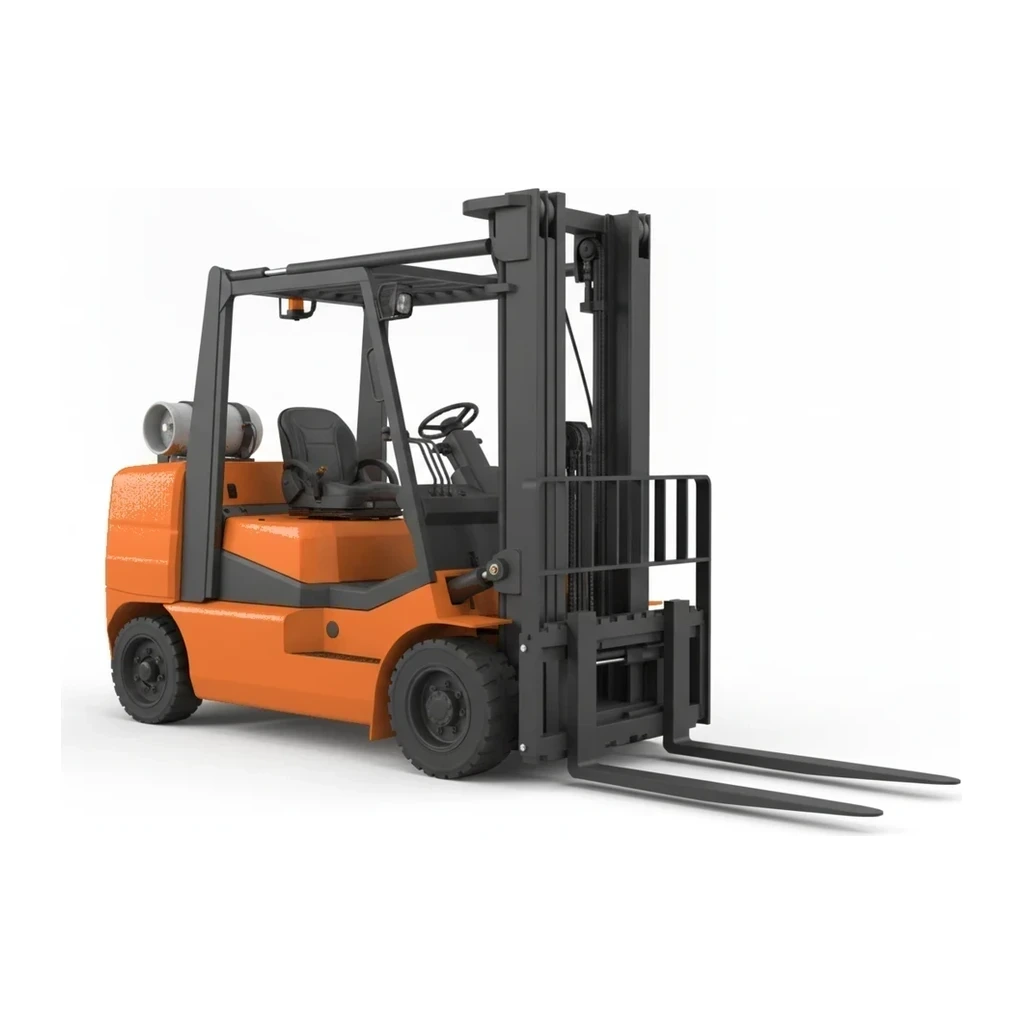
A cushion tire forklift is an industrial lift truck equipped with solid rubber tires designed for operation on smooth, hard surfaces such as warehouse and factory floors. Unlike pneumatic tire models, cushion tire forklifts feature a compact wheelbase and tighter turning radius, making them the standard choice for indoor material handling where maneuverability and space efficiency are paramount. These machines lift and transport palletized loads using hydraulic-actuated forks, typically powered by LPG, electric batteries, or diesel engines.
Cat classes
Pick a size class — capacity and reach differ across the range.
How it works
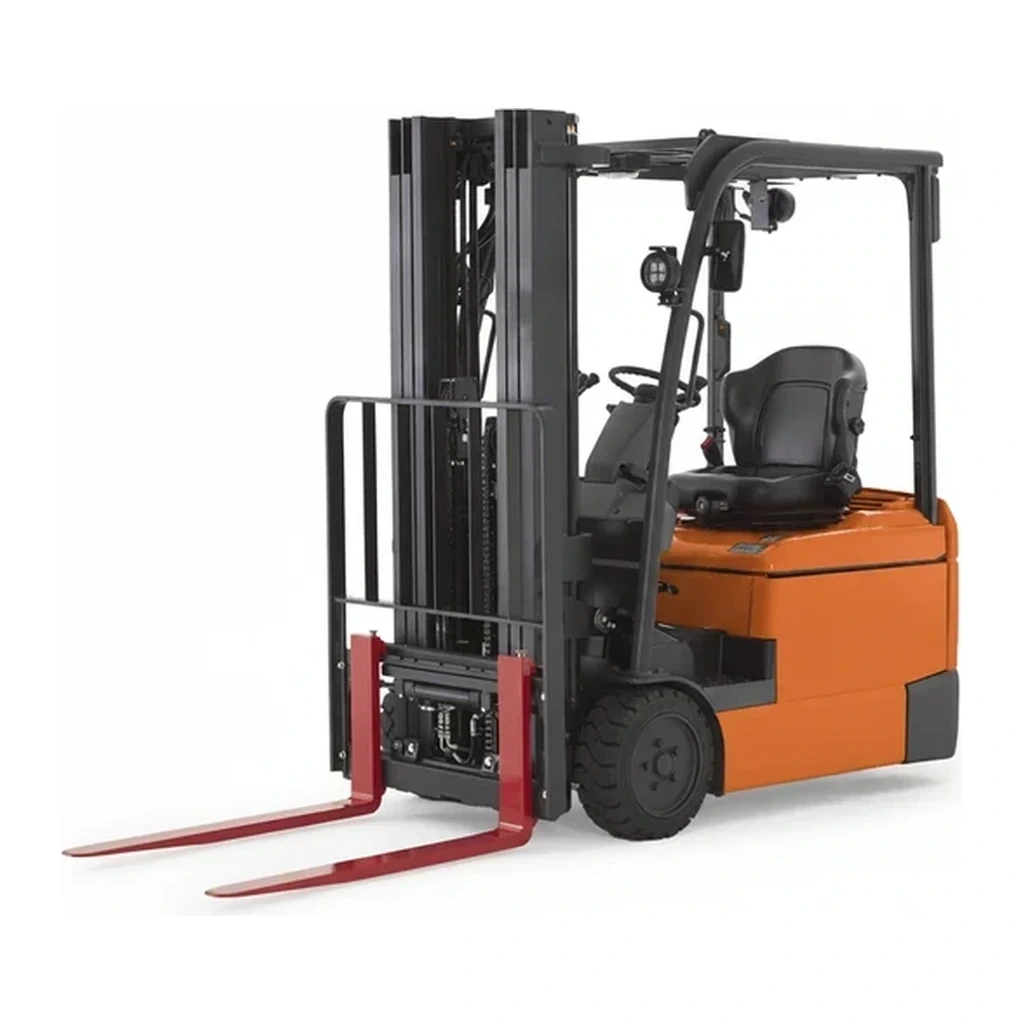
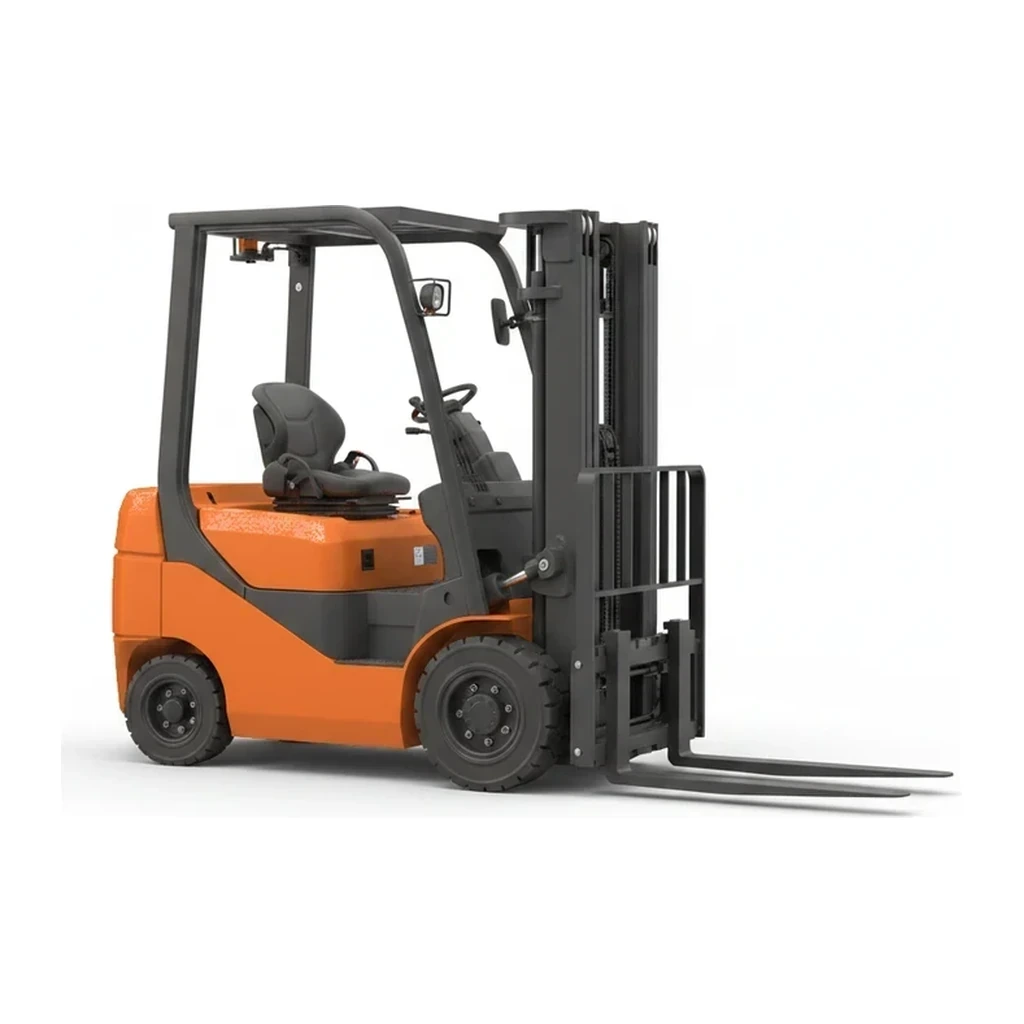
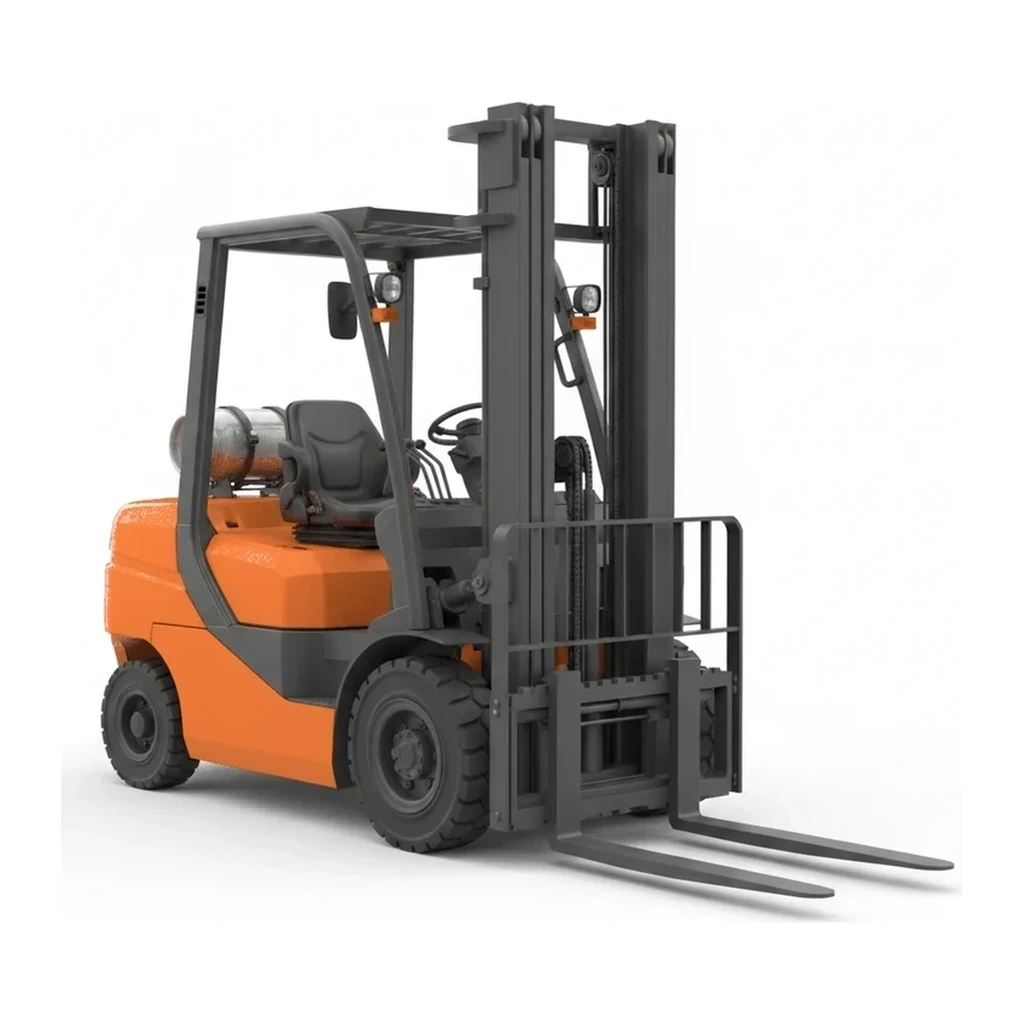
The cushion tire forklift operates via a hydraulic lifting system that raises and lowers a mast-mounted carriage bearing adjustable forks. An operator seated in the cab or standing platform controls travel, steering, and lift functions through pedals, levers, or electronic controls. The solid cushion tires—made of pressed rubber bonded directly to the wheel rim—provide stability and precision on flat surfaces but lack the shock absorption of pneumatic tires. Power is transmitted to the drive wheels through a transmission or electric motor, while hydraulic cylinders extend to raise the mast and tilt the forks forward or backward for load engagement and discharge. The compact rear-axle steering geometry allows the machine to pivot within narrow aisles, and counterweights at the rear balance the load carried on the forks.
Types & variants
- Three-Wheel Cushion Forklift
- Single rear wheel design offering the tightest possible turning radius for very narrow aisles, typically in lighter capacity ranges up to 5,000 lb.
- Four-Wheel Cushion Forklift
- Standard configuration with dual rear wheels providing greater stability and capacity, commonly used from 3,000 lb to 36,000 lb classes.
- Electric Cushion Forklift
- Battery-powered models preferred in enclosed spaces for zero emissions and quieter operation, dominant in food, pharmaceutical, and indoor logistics.
- LPG/Propane Cushion Forklift
- Internal combustion units fueled by liquid propane, offering longer run times and faster refueling than electric models with acceptable indoor emissions.
- Dual-Fuel Cushion Forklift
- Models capable of operating on both LPG and gasoline, providing fuel flexibility in facilities with mixed fueling infrastructure.
Key specifications
| Specification | Typical range | What it means |
|---|---|---|
| Load Capacity | 340–16,000 kg (750–35,000 lb) | Maximum weight the forklift can safely lift at rated load center, defining the machine's size class. |
| Lift Height | 3.4–46.7 ft (1.0–14.2 m) | Maximum vertical reach of the forks, determining rack height and stacking capability in warehouse operations. |
| Turning Radius | Varies by wheelbase and capacity | Minimum aisle width required for a 90-degree turn, critical for warehouse layout and aisle configuration. |
| Tire Type | Solid cushion rubber | Non-pneumatic tires optimized for smooth concrete and asphalt surfaces only; not suitable for rough or outdoor terrain. |
How the industry sizes it
The industry sizes cushion tire forklifts primarily by load capacity measured in pounds. Machines up to 4,000 lb handle tight indoor aisles and light pallets where compact size and turning radius are critical. The 4,000–6,000 lb class represents the warehouse standard for moving full pallets from dock to rack on smooth slabs. Units in the 6,000–8,000 lb range accommodate heavier and double-stacked pallets while remaining small enough to work inside trailers. The 8,000–12,000 lb category handles machinery crates, banded steel, and loads that smaller machines cannot pick. Models rated at 12,000 lb and above serve mill-duty indoor lifting of press dies, transformers, and full steel bundles. Lift height is a secondary sizing consideration, selected based on racking systems and stacking requirements.
Applications
- Warehouse dock-to-rack pallet movement and order picking on smooth concrete floors
- Manufacturing floor material staging and work-in-process handling in automotive, aerospace, and assembly plants
- Food and beverage distribution centers requiring zero-emission electric models for sanitary environments
- Steel service centers and metal fabrication shops moving coils, plate, and bar stock indoors
- Paper mills and printing facilities handling rolls, reams, and finished goods on flat surfaces
- Cross-docking operations in logistics terminals where goods transfer directly from inbound to outbound trailers
Safety & operation
- Operator certification and training required under OSHA 29 CFR 1910.178 for all powered industrial truck operation
- Daily pre-shift inspections of brakes, steering, hydraulics, forks, and tires to identify defects before operation
- Load capacity placards and load charts must be observed; operating with raised loads increases tip-over risk significantly
- Cushion tire models restricted to smooth, level surfaces only; operation on uneven ground or soft terrain can cause instability and loss of control
- Adequate ventilation required for LPG and internal combustion models to prevent carbon monoxide accumulation in enclosed spaces
Standards & certifications
- OSHA · 29 CFR 1910.178
- Federal standard governing powered industrial truck operator training, maintenance, and safe operation in general industry.
- ANSI/ASME · B56.1
- Safety standard for low and high lift trucks covering design, maintenance, operation, stability, capacity ratings, and operator controls.
- EPA · Tier Emissions
- Emissions standards applicable to internal combustion cushion tire forklifts, with Tier 4 representing current clean engine technology.
Frequently asked
What is the difference between cushion and pneumatic tire forklifts?
What load capacity is considered standard for warehouse operations?
Can cushion tire forklifts operate outdoors?
How is lift height selected for warehouse racking systems?
Compare popular models
Find by spec →Normalised to the same units. A dash means the figure was not published.
| Model | Load capacity | Lift height | Engine power |
|---|---|---|---|
| JLG 10MSP | - | - | - |
| Big Joe IBH | 1,750 lb (794 kg) | 8.5 ft (2.6 m) | - |
| Big Joe S22 / S22-R | 2,200 lb (998 kg) | 5.2 ft (1.6 m) | - |
| Big Joe S26 | 2,599 lb (1,179 kg) | 12.4 ft (3.8 m) | - |
| Big Joe S30 | 3,000 lb (1,361 kg) | 10.7 ft (3.3 m) | - |
| Big Joe PDS25 | 2,500 lb (1,134 kg) | 13.1 ft (4.0 m) | - |
Related equipment
Browse by manufacturer
Sources
Every specification is verified against the manufacturer's published data, with the source linked for reference.
All models
350 models · Page 5 of 8 · Every spec cited to source