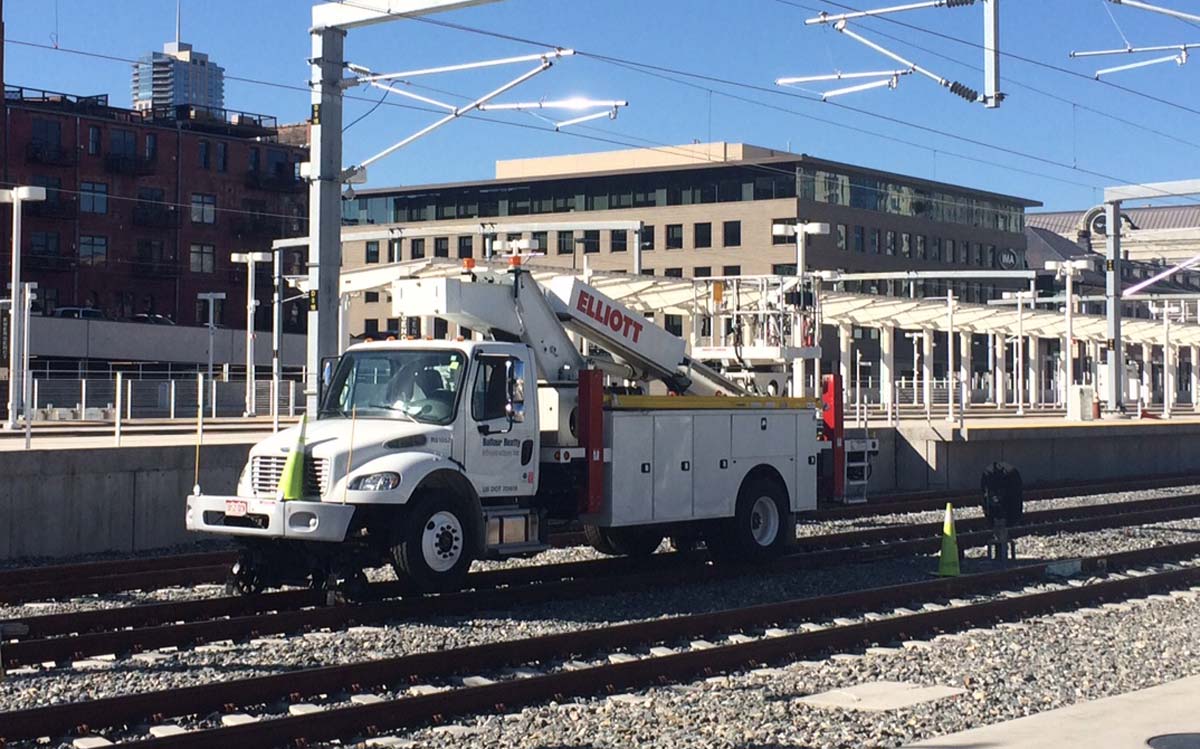
Up to 50 ft Telescopic Boom Lift
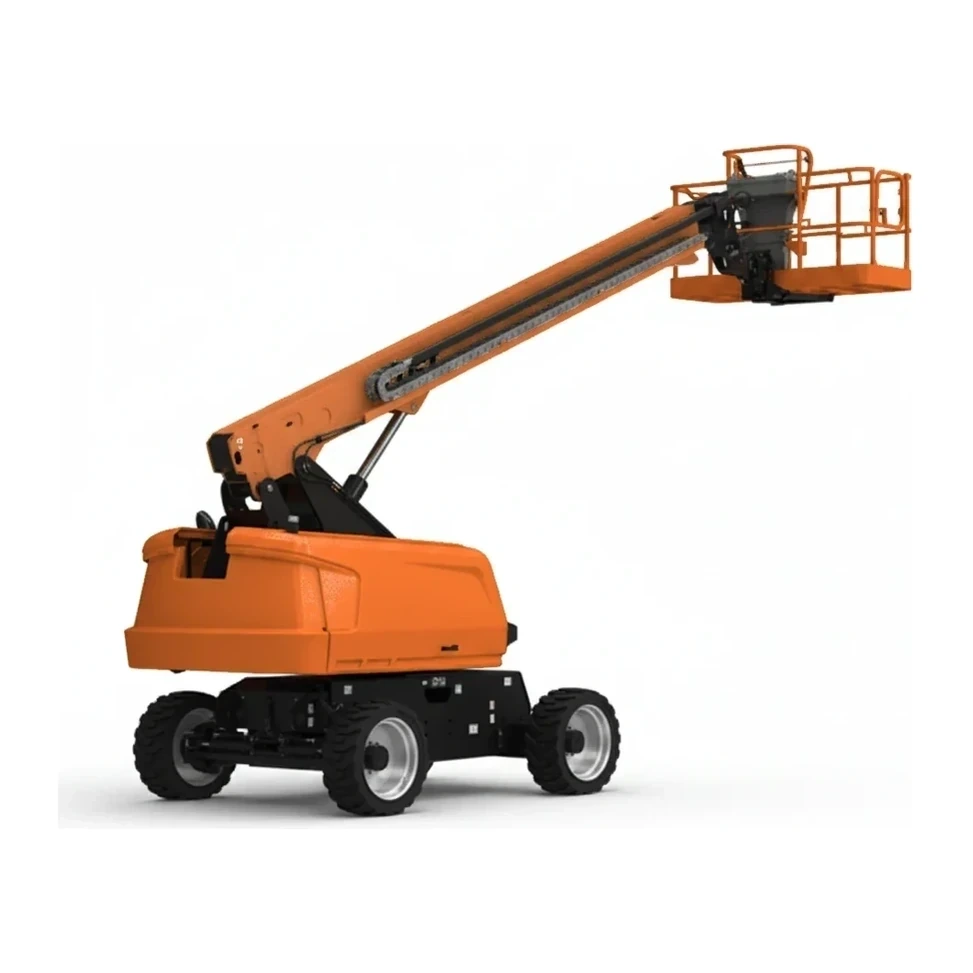
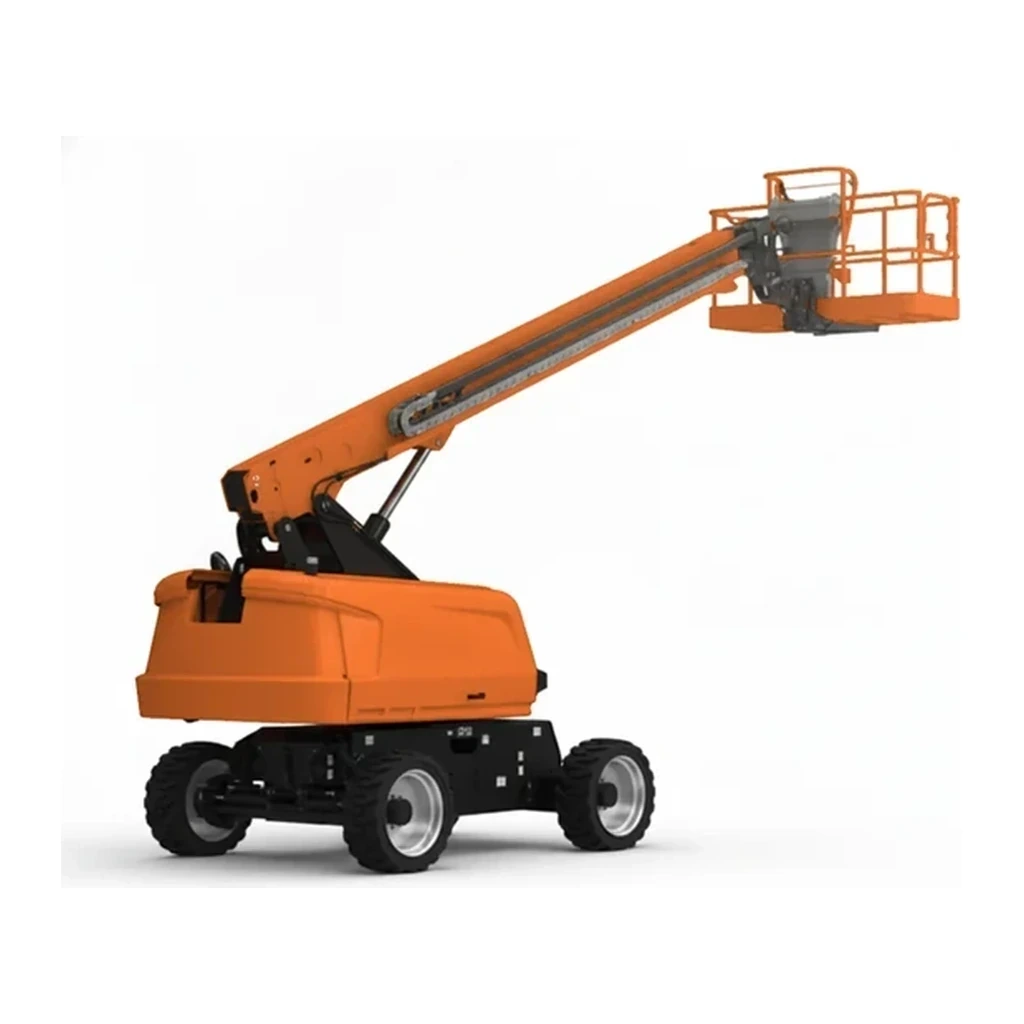
The up to 50 ft telescopic boom lift delivers straight-line horizontal reach, making it the smallest and most trailerable category in the telescopic family. With working heights from 12.9 to 49 ft and platform heights from 10.9 to 40 ft, this size serves low- to mid-level outdoor tasks requiring outward reach over obstacles. It sits at the base of the telescopic boom ladder, below the 50-70 ft Telescopic Boom Lift class.
Cat classes
Pick a size class: capacity and reach differ across the range.
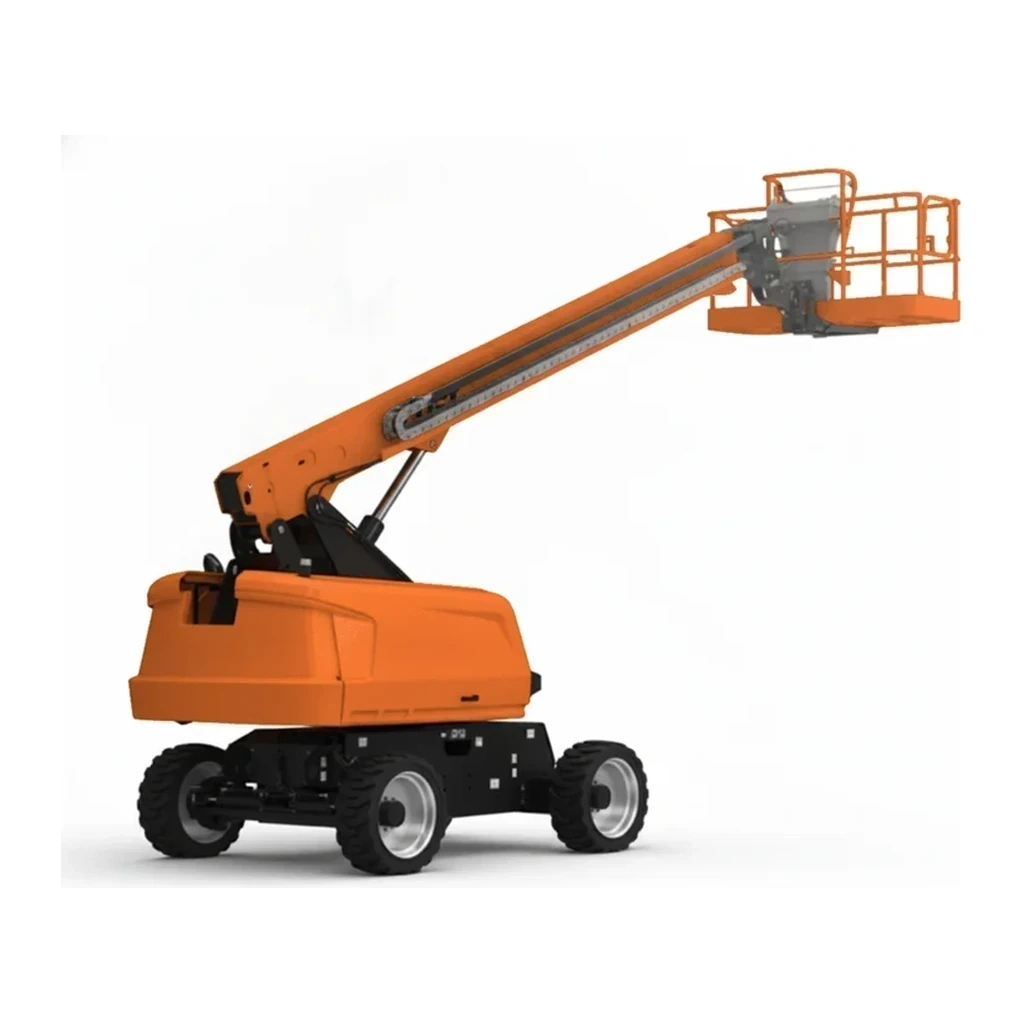
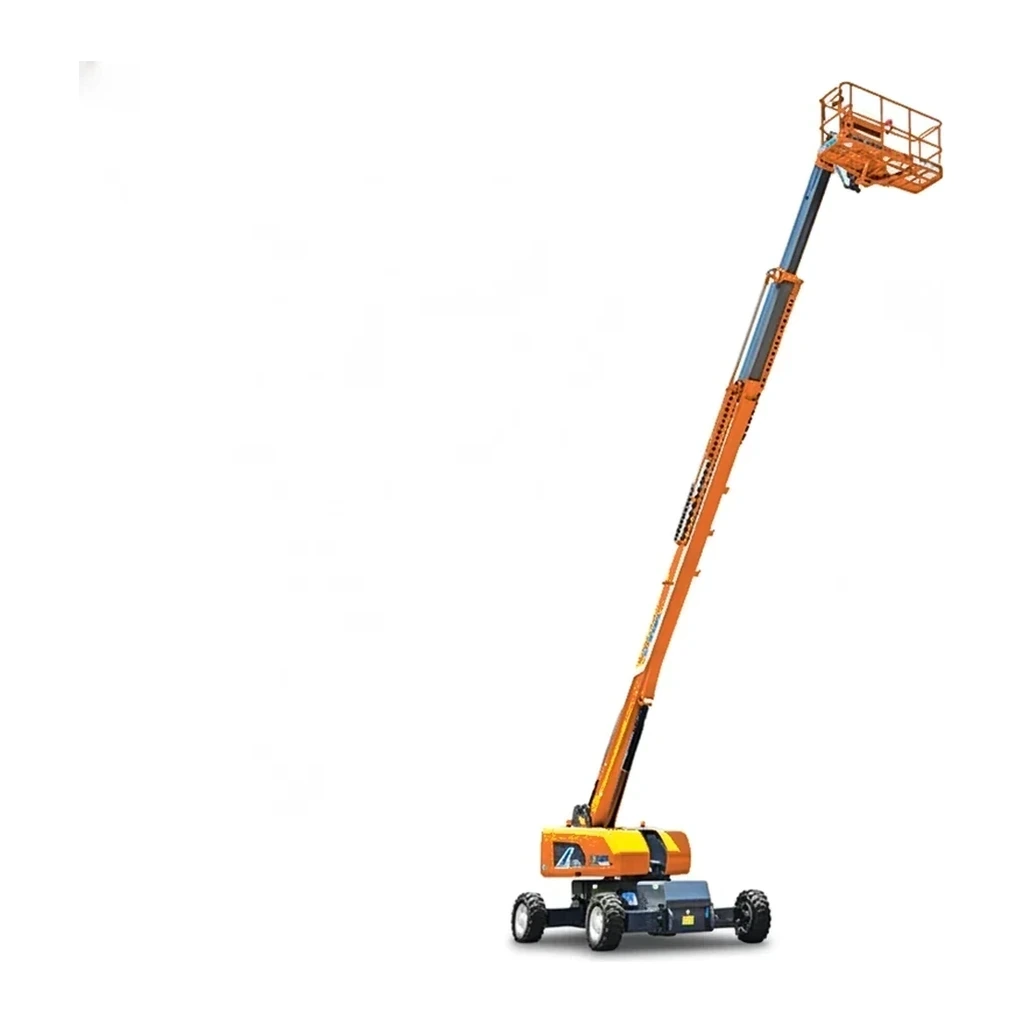
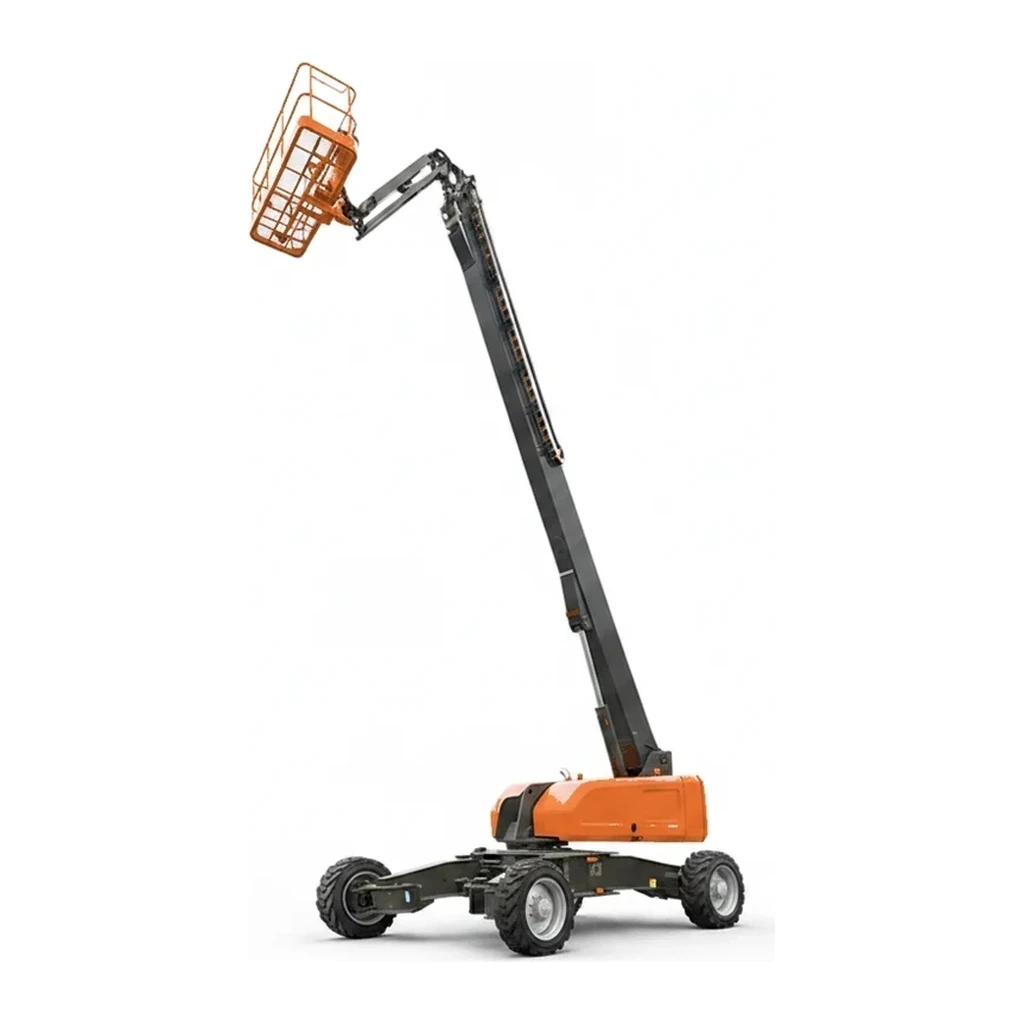
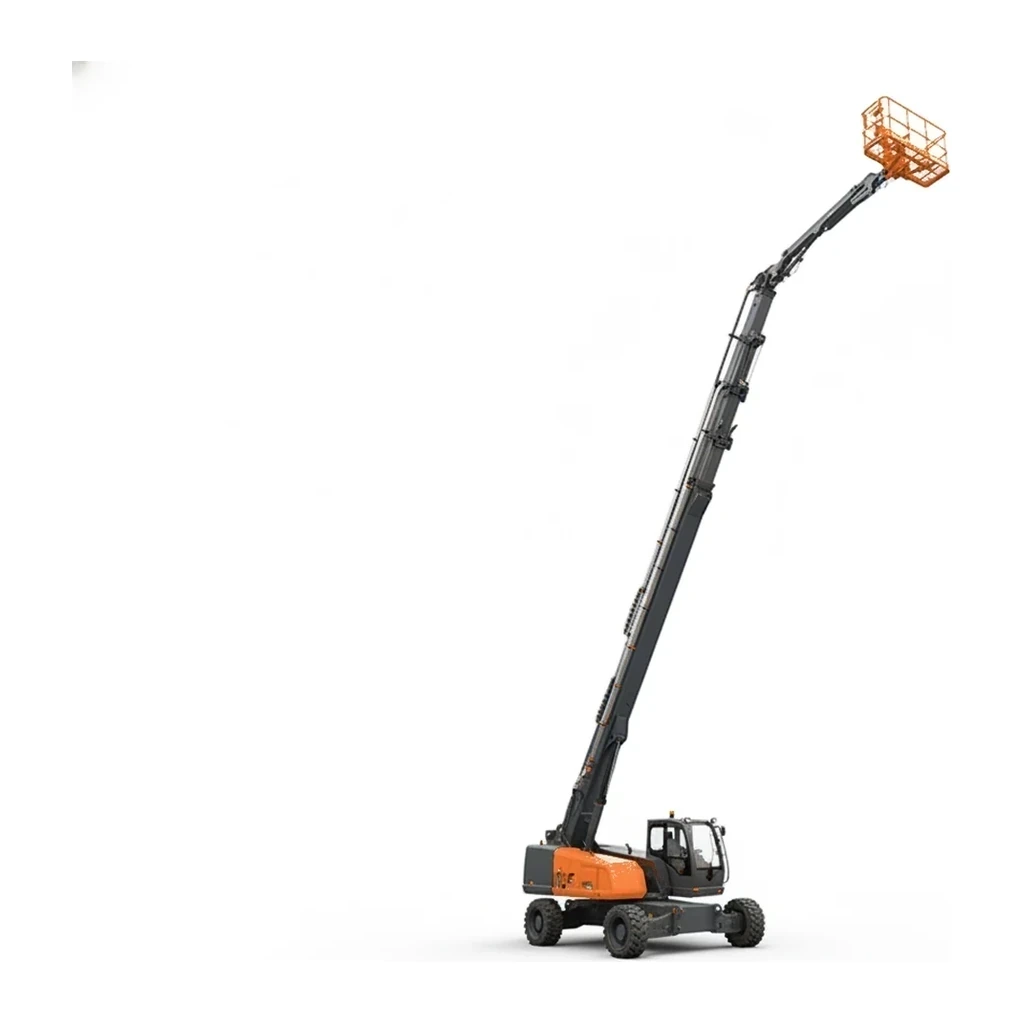
Key specifications
| Specification | Typical range | What it means |
|---|---|---|
| Working height | 12.9–49 ft (3.9–14.9 m) | Maximum height of the platform surface plus guardrail reach; determines which floors or roof edges are accessible. |
| Max reach | 8.8–34 ft (2.7–10.4 m) | Horizontal distance from turret center to platform edge when boom is fully extended; critical for clearing setbacks and obstacles. |
| Operating weight | 1,568-15,730 kg (3,456-34,677 lb) | Machine weight plus full fuel and fluids; determines ground-bearing pressure, trailer capacity, and site access limits. |
| Platform capacity | 147-1,814 kg (324-4,000 lb) | Maximum combined weight of operators, tools, and materials; actual load limits vary widely by model and configuration. |
| Engine power | 24.9-61 hp | Diesel or gasoline engine output; determines gradeability, drive speed, and suitability for rough terrain. |
How to choose
This size class is appropriate when the task requires outward reach at modest elevation: clearing one-story building setbacks, reaching over fences or equipment yards, or accessing warehouse exteriors where vertical-only scissor lifts cannot position the platform. Most models trailer behind a half-ton pickup, making them the default choice for mobile contractors working scattered sites. When the work demands platform heights above 40 ft or horizontal reach beyond 34 ft, the 50-70 ft Telescopic Boom Lift becomes necessary; that next size class sacrifices trailerability for an additional working envelope.
What this size handles
- Single-story commercial facade repair with building setback
- Lighting and sign installation on poles or building faces
- Tree trimming and utility clearance work near structures
- Warehouse or industrial facility exterior maintenance where overhead obstructions prevent scissor access
- Event rigging and audiovisual setup requiring outreach over seating or staging
- Perimeter fence inspection and installation along uneven or sloped terrain
Safety & operation
- Ground conditions and slope must remain within manufacturer gradeability limits (typically 45-50%) to prevent tip-over; uneven surfaces require outrigger deployment or load-chart deration on many models.
- Wind speed restrictions, commonly 28 mph sustained for operation, become critical as boom extension increases horizontal sail area and moment arm.
- Overhead clearance must account for working height plus operator reach; most fatalities in aerial-lift categories involve contact with energized lines or structural obstructions.
- Platform capacity includes the combined weight of all personnel, tools, and materials; dynamic loading from sudden movements or material handling can exceed static chart limits.
Transport & logistics
- Most models in the 3,500-8,000 lb range trailer behind half-ton or three-quarter-ton pickup trucks on standard flatbed or tilt-deck trailers rated 7,000-10,000 lb GVWR.
- Heavier units approaching 15,000 lb operating weight require gooseneck or pintle-hitch trailers and Class 5 tow vehicles or flatbed truck transport.
- Transit dimensions typically fall within 6-8 ft wide and 16-20 ft long, allowing roadway travel without oversize permits in most jurisdictions.
Power & supply
- Diesel engines dominate this size class for outdoor and rough-terrain applications; fuel tank capacities of 83-132 liters support full-day operation.
- Gasoline and dual-fuel (gasoline/propane) models serve indoor-outdoor applications where exhaust emissions or refueling logistics favor cleaner combustion.
- Battery-electric variants remain rare in this class due to the traditional outdoor, rough-terrain role of telescopic booms, though hybrid models are emerging.
Frequently asked
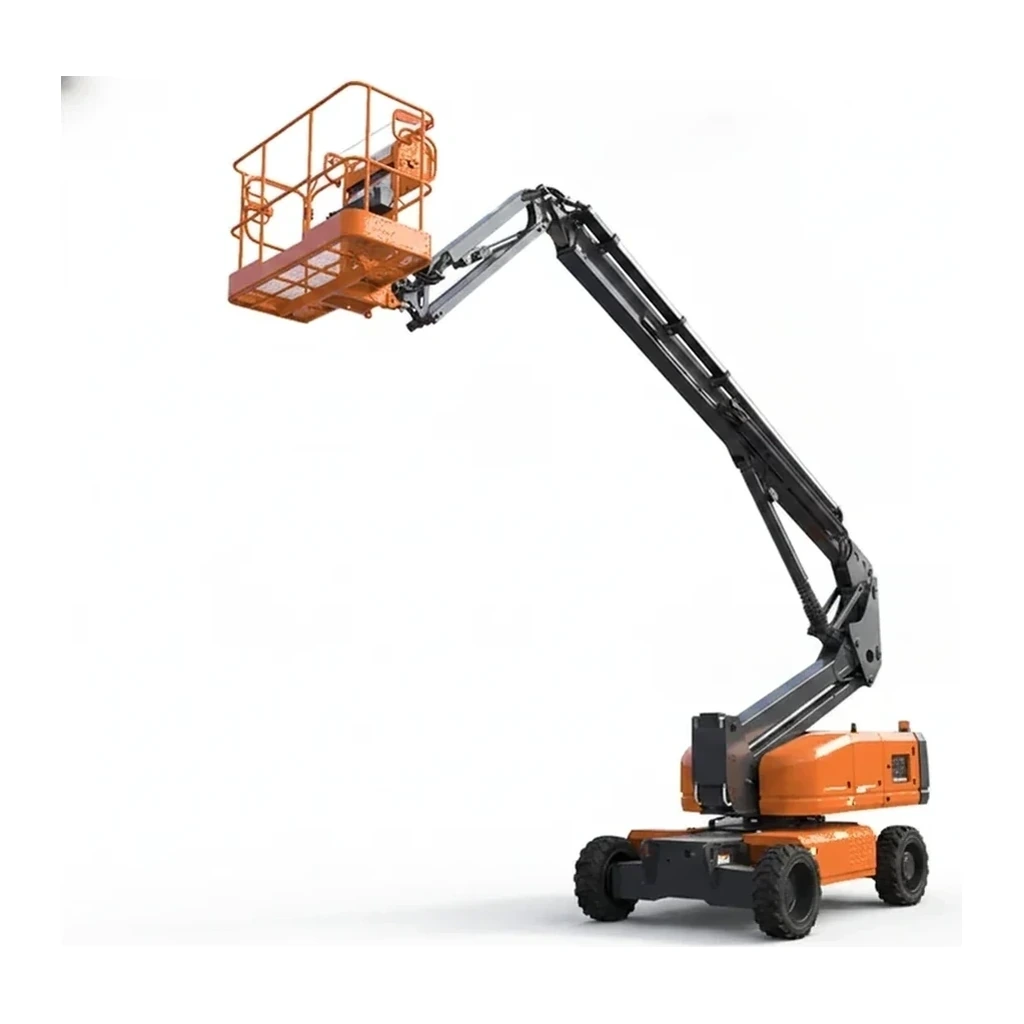
What distinguishes a telescopic boom from an articulating boom at this size?
Can models in this size class operate indoors?
How does operating weight affect site access?
Compare popular models
Find by spec →Normalised to the same units. A dash means the figure was not published.
| Model | Working height | Platform capacity |
|---|---|---|
| JLG 460SJC | 45.4 ft (13.8 m) | 600 lb (272 kg) |
| JLG 400S | 40 ft (12.2 m) | 1,001 lb (454 kg) |
| JLG 400S HC3 | 40 ft (12.2 m) | 1,001 lb (454 kg) |
| Niftylift SD50 4x4 | 49.5 ft (15.1 m) | 500 lb (227 kg) |
| Niftylift SP34 4x4 | 33 ft (10.1 m) | 500 lb (227 kg) |
| Genie S-40 | - | 500 lb (227 kg) |
Related equipment
Browse by manufacturer
Sources
Every specification is verified against the manufacturer's published data, with the source linked for reference.
Up to 50 ft Telescopic Boom Lift
76 models · Page 2 of 2 · Every spec cited to source