
Utility Trailer
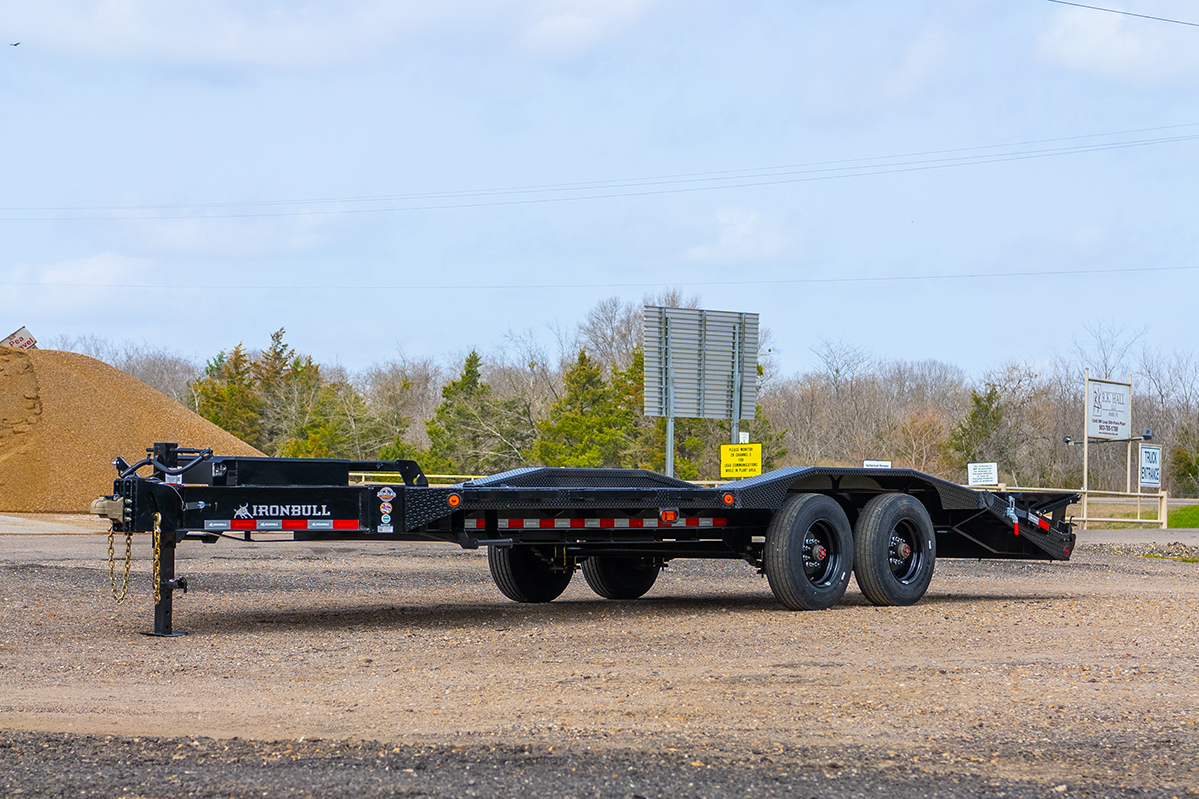
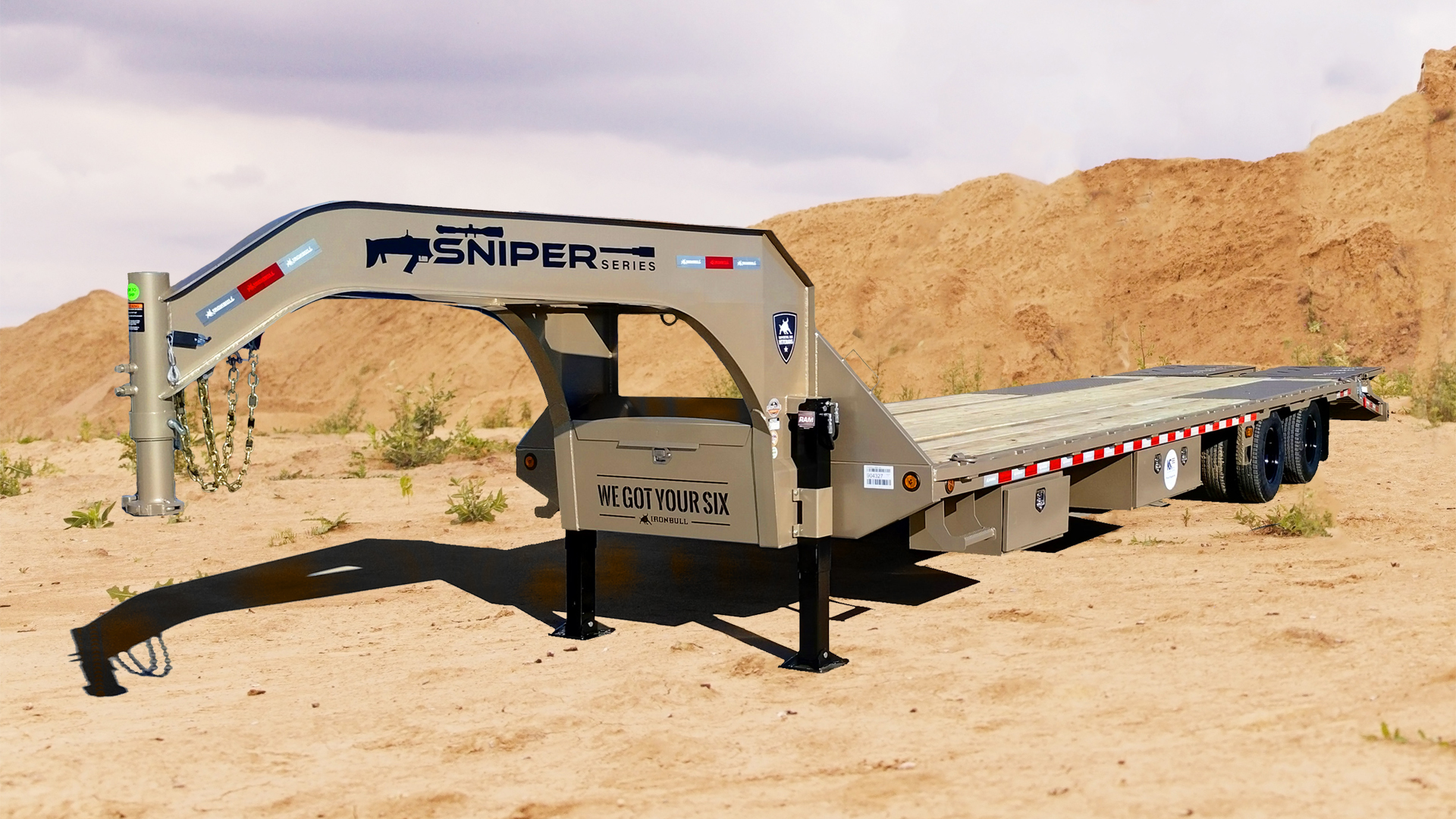
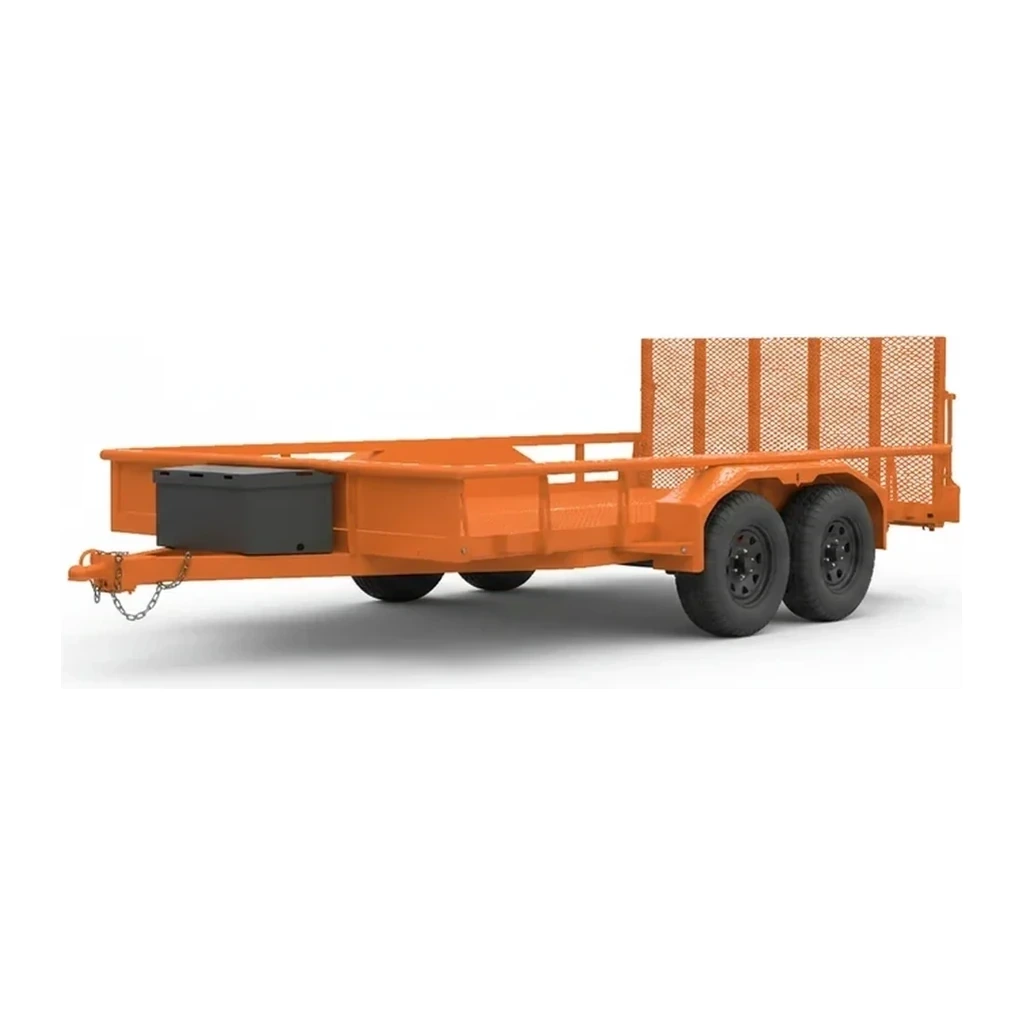
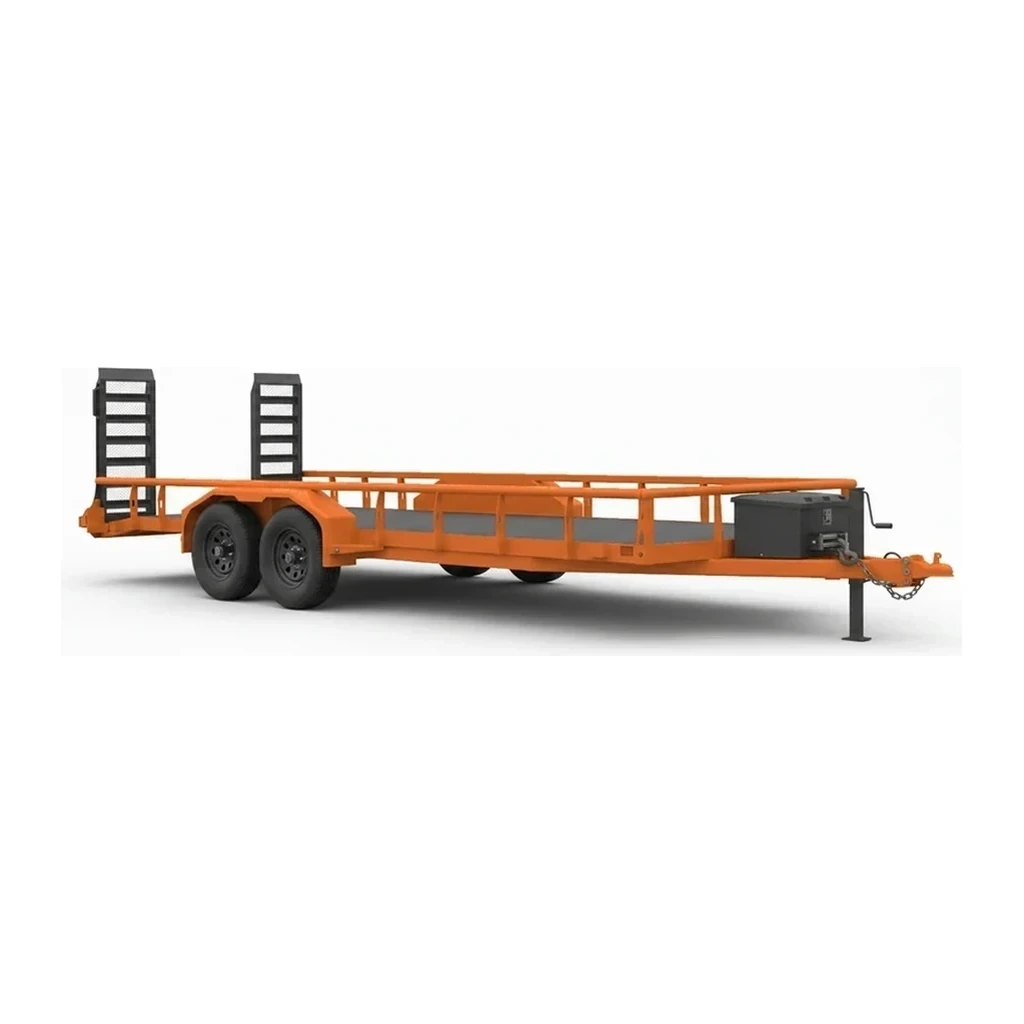
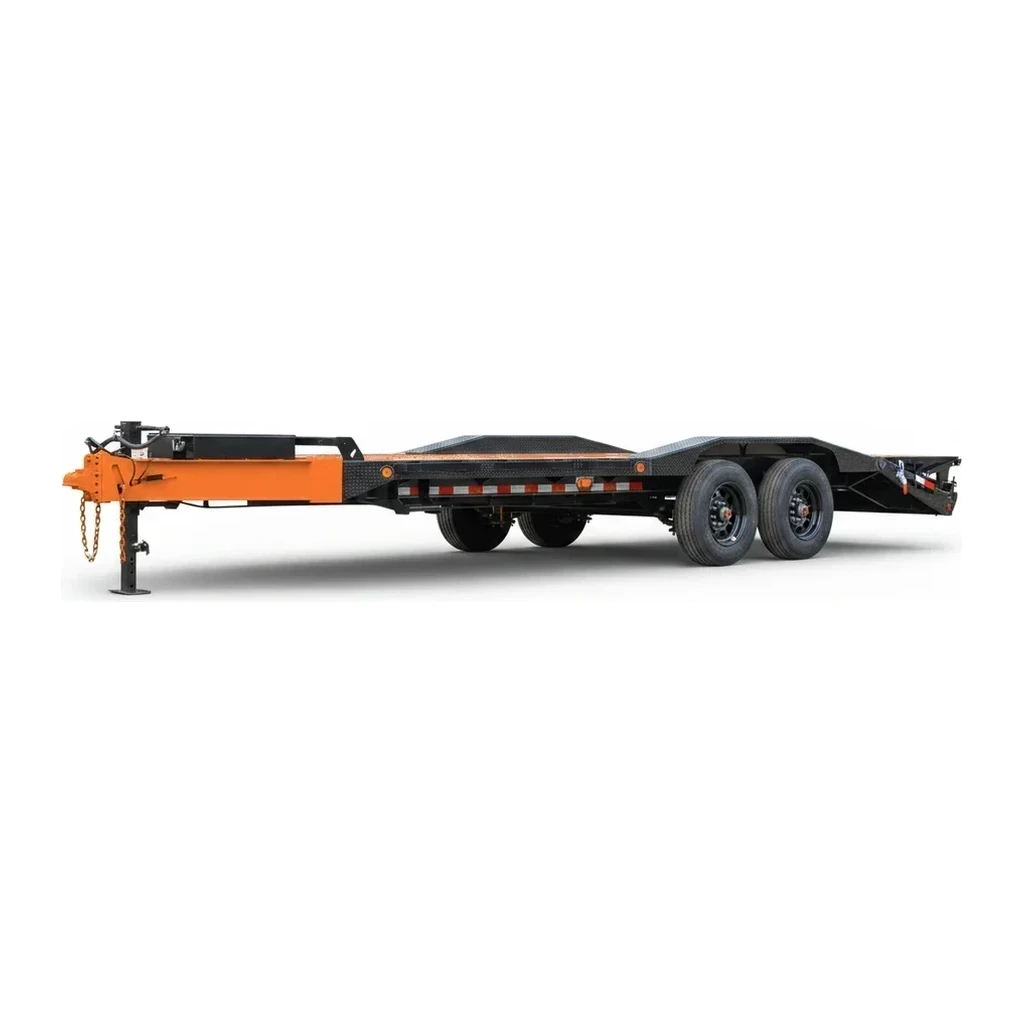
A utility trailer is an open general-purpose trailer for cargo, materials, and light equipment. Rail-sided or flat, single- or multi-axle, it is the most versatile towed platform in a fleet. Cataloged bands run up to 3,000 lb, 3,000–7,000 lb, 7,000–14,000 lb, and 14,000+ lb.
Cat classes
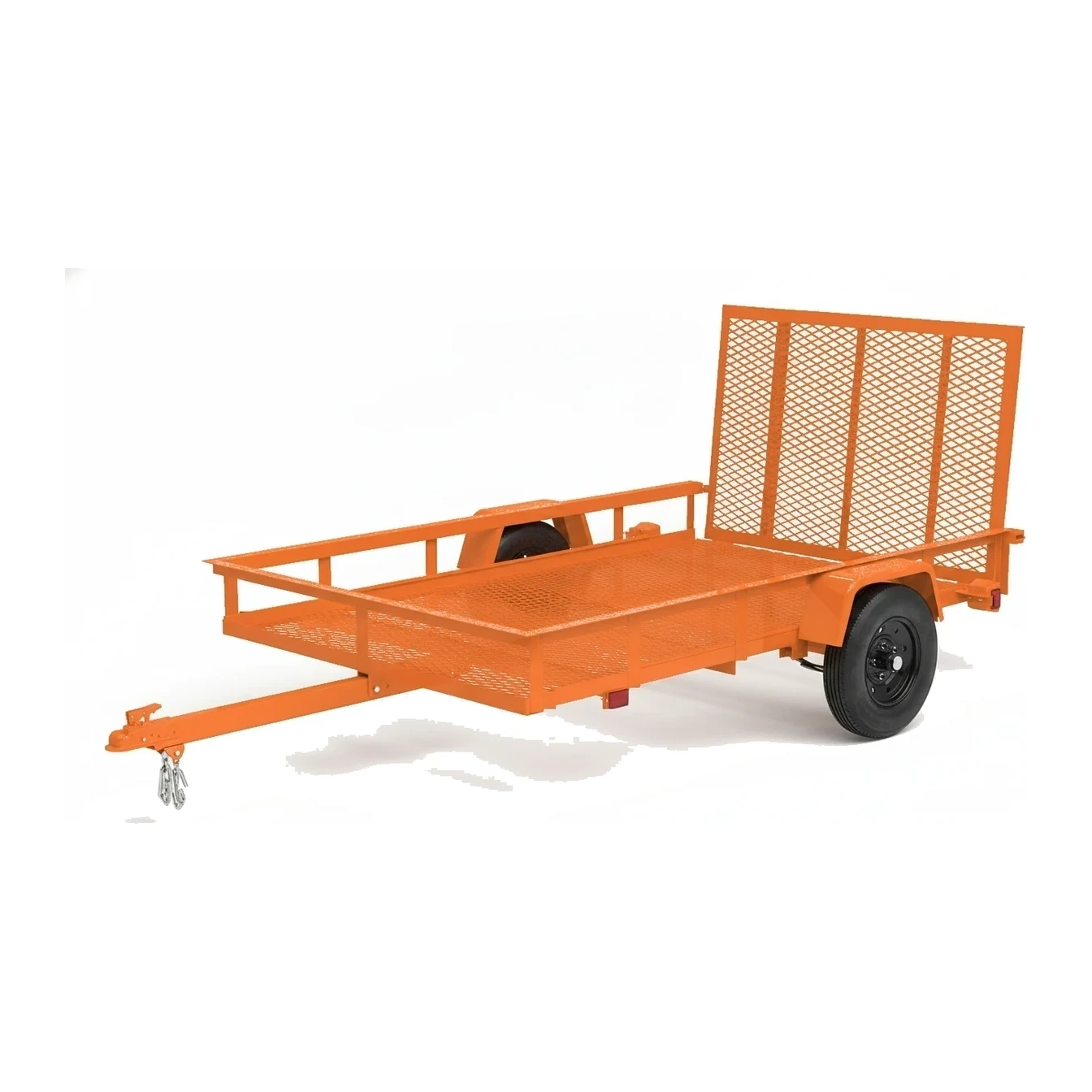
Pick a size class — capacity and reach differ across the range.
How it works
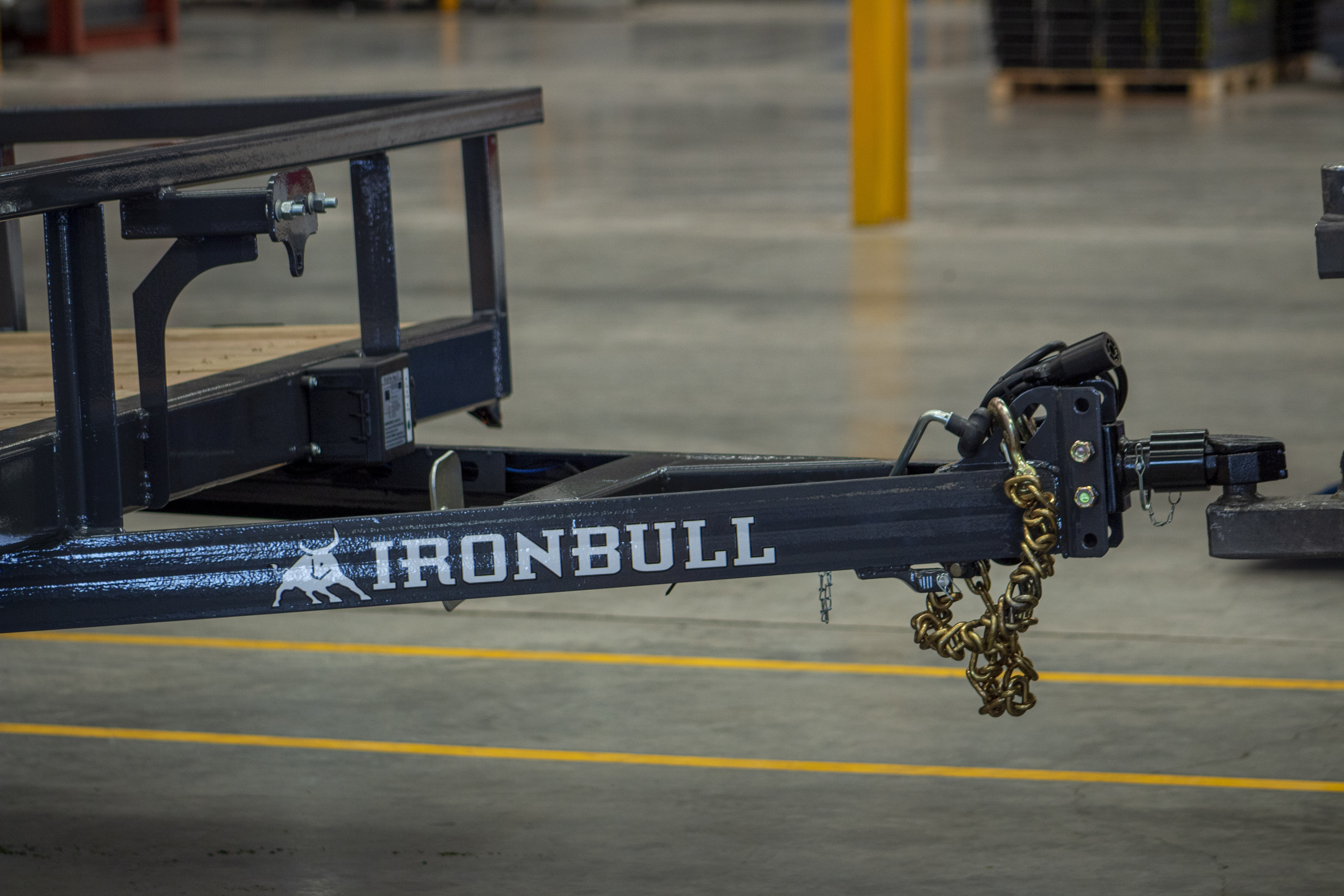
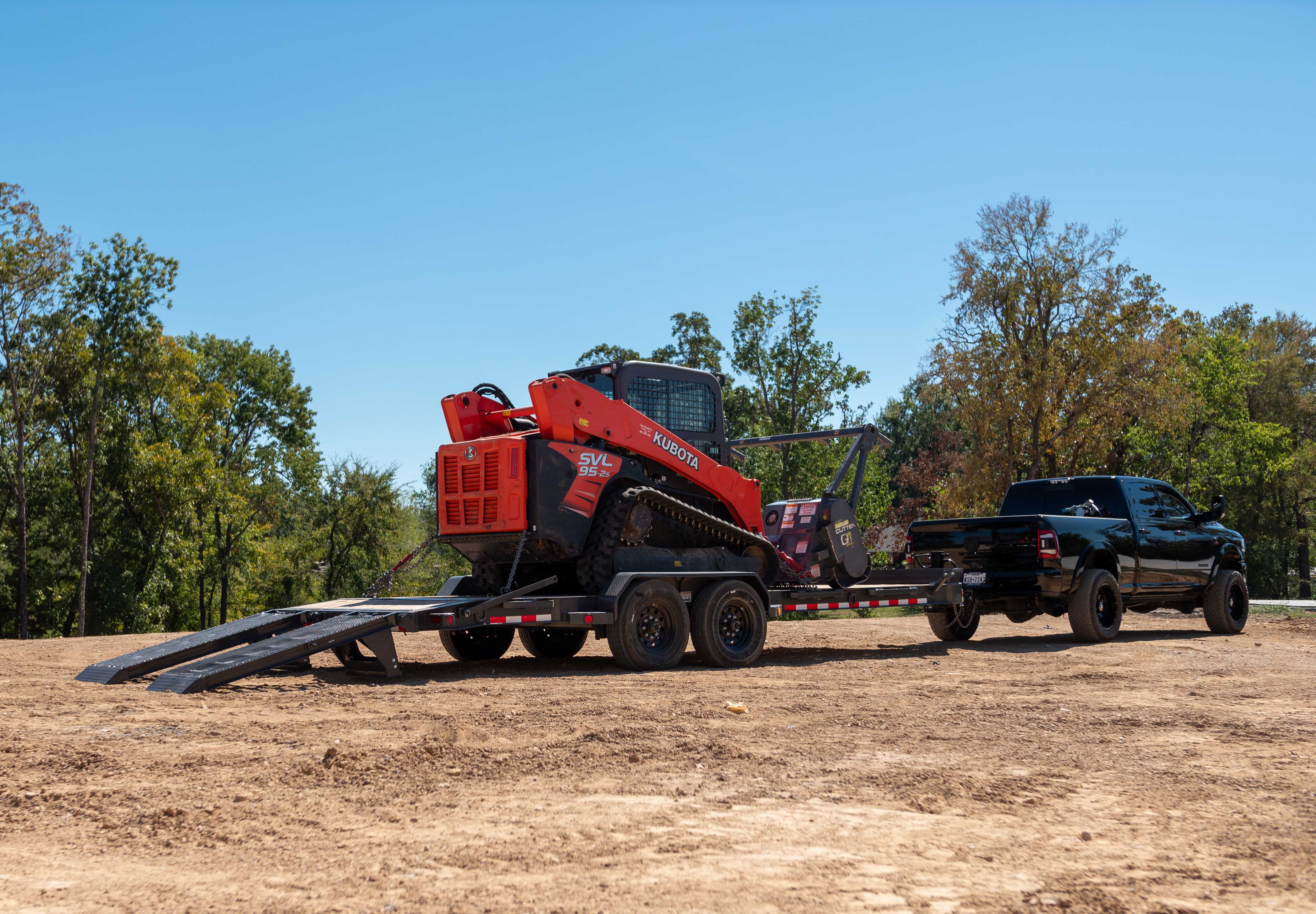
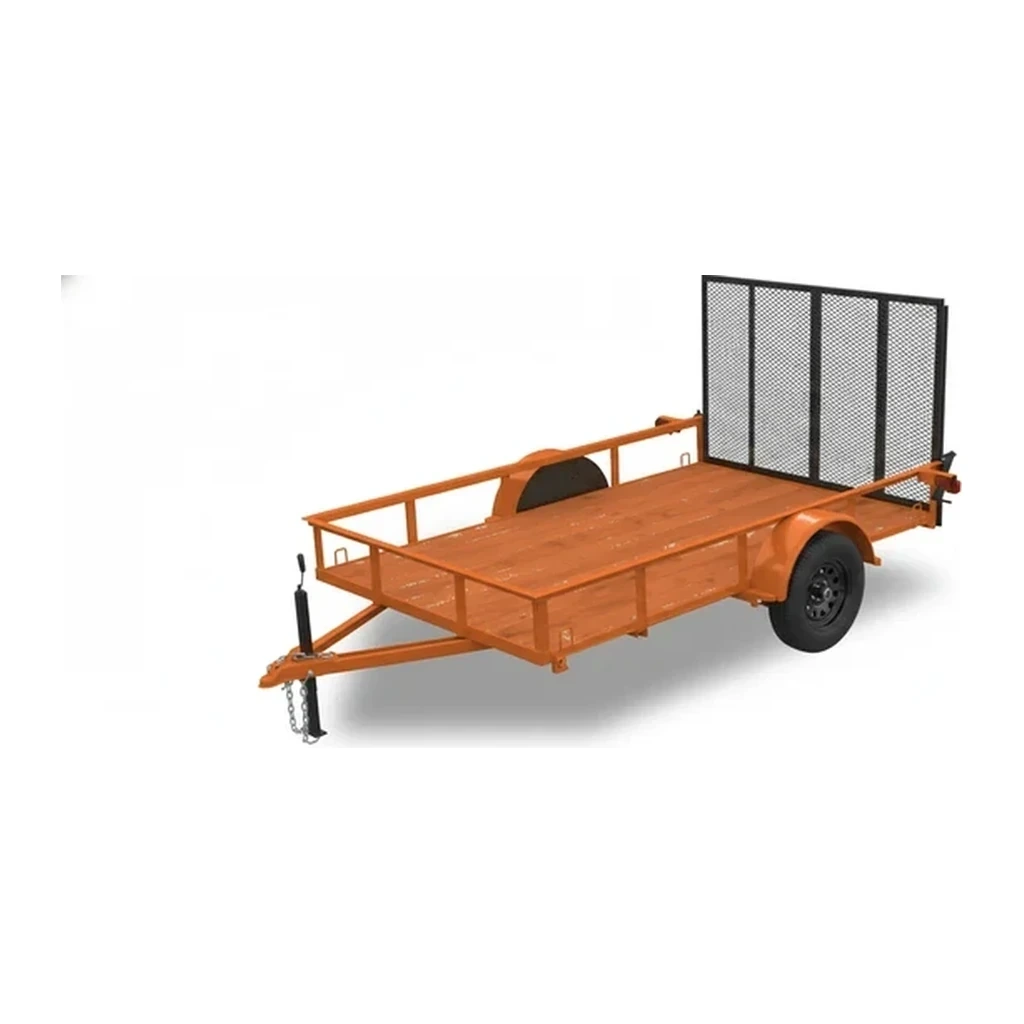
A steel frame carries a decked floor with side rails or stake pockets, riding on leaf- or torsion-sprung axles with electric brakes above the light band. A rear ramp gate on many models loads wheeled cargo and small machines. Payload is GVWR minus tare, and tongue load in the 10–15 percent range keeps the tow stable. The heavy bands adopt equipment-trailer construction — tandem and triple axles, heavier couplers or gooseneck connection — while keeping the open multi-purpose deck.
Types & variants
- Up to 3,000 lb utility trailers
- No brakes required in most jurisdictions — a small open trailer behind any vehicle with a hitch.
- 3,000–7,000 lb utility trailers
- The everyday landscape and rubbish trailer, single axle with brakes.
- 7,000–14,000 lb utility trailers
- Tandem-axle utility work — bulk material, pallets and light equipment.
- 14,000+ lb utility trailers
- Heavy open trailers approaching the CDL line.
Key specifications
| Specification | Typical range | What it means |
|---|---|---|
| Capacity band (lb) | Cataloged bands run up to 3,000, 3,000–7,000, 7,000–14,000, and 14,000+ lb | The gross-weight class governing tow vehicle, brakes, and licensing. |
| Load capacity | 200–47,260 kg across cataloged listings | Real cargo capacity after trailer tare. |
| Deck and gate configuration | Rail sides, stake pockets, and ramp gates per model | Determines what cargo loads and how. |
How the industry sizes it
Utility trailers are sized by the heaviest routine load plus margin, against the tow vehicle's rating: the up to 3,000 lb band tows behind any vehicle with a hitch, 3,000–7,000 lb suits half-ton trucks and SUVs, 7,000–14,000 lb requires heavy-duty pickups, and the 14,000+ lb band approaches equipment-hauling combinations with licensing implications as gross weights climb past 26,000 lb.
Applications
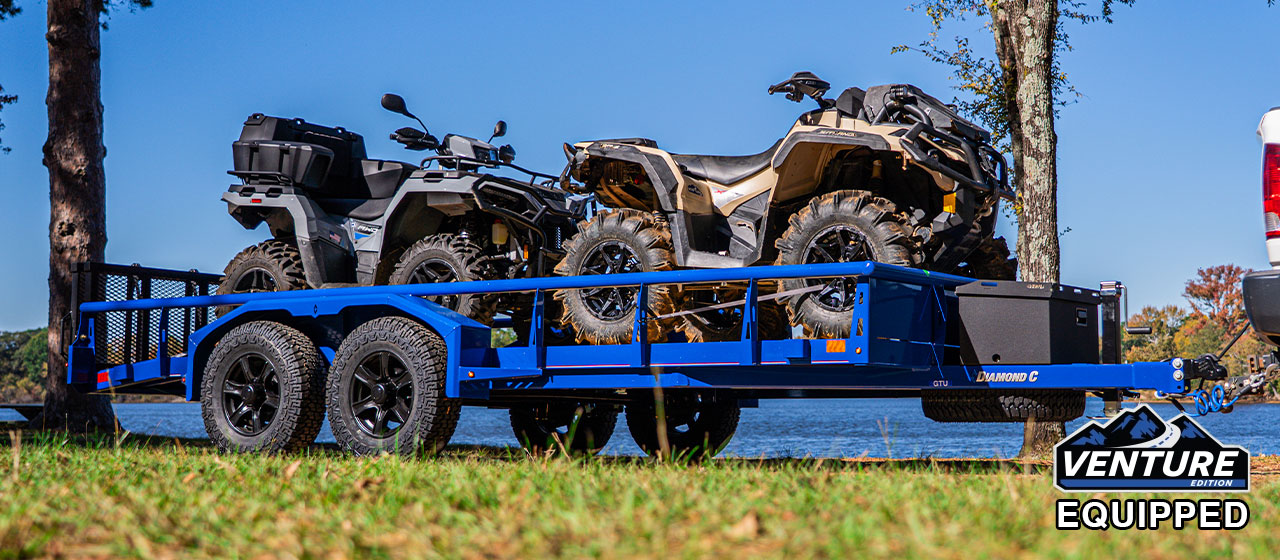
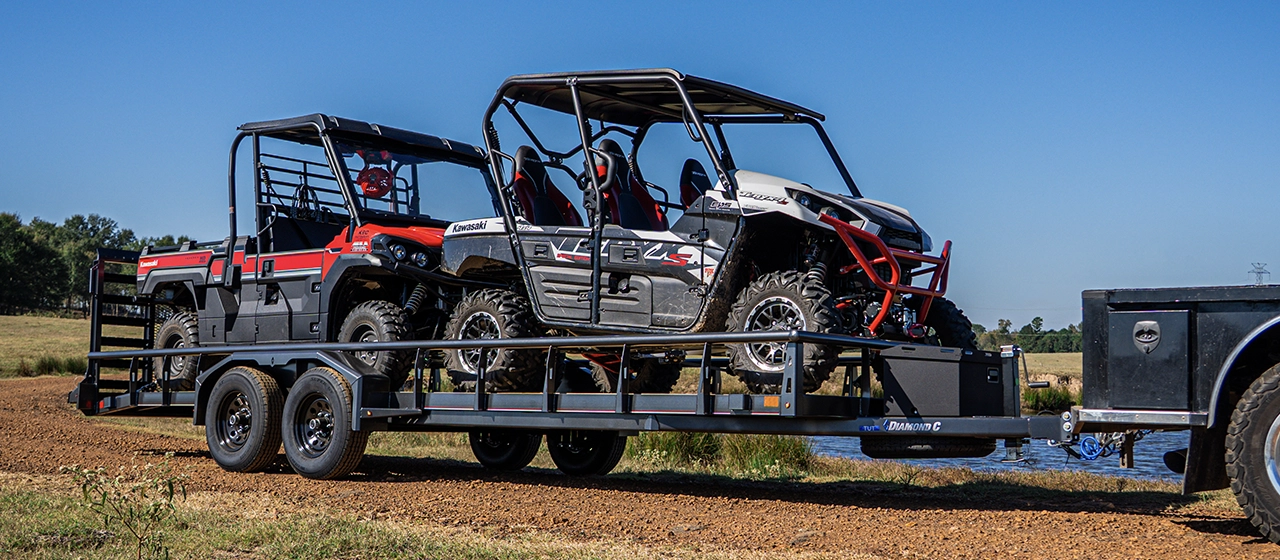
- Hauling ATVs, UTVs, and small machines
- Material and supply runs for renovation and construction
- Landscape debris and green-waste hauling
- Vehicle transport in the braked bands
- General site support and yard duty
Safety & operation
- Load heavy items over the axles with 10–15 percent of weight on the tongue.
- Cross safety chains under the coupler and verify breakaway function on braked models.
- Do not exceed the gate rating when loading machines up ramp gates.
- Check tire load range and pressure — utility trailers commonly run overloaded tires.
Standards & certifications
- FMCSA · 49 CFR 393
- Brake, lighting, and securement requirements for trailers in commercial service.
- NHTSA · FMVSS 108
- Lighting and conspicuity requirements applicable to all road trailers.
- SAE · J684
- Coupler, ball, and safety-chain performance standard.
- FMCSA · 49 CFR 383
- Combinations over 26,000 lb GCWR with trailers over 10,000 lb require a Class A CDL in commercial use.
Frequently asked
What separates a utility trailer from an equipment trailer?
When do brakes become mandatory?
What can the 3,000–7,000 lb band actually carry?
Compare popular models
Find by spec →Normalised to the same units. A dash means the figure was not published.
| Model | Load capacity | Engine power |
|---|---|---|
| Ditch Witch HX50 Vacuum Excavator | 57,320 lb (26,000 kg) | 50 hp |
| Ditch Witch HX30 Vacuum Excavator | 44,092 lb (20,000 kg) | 25 hp |
| Ditch Witch HX75 Vacuum Excavator | 57,298 lb (25,990 kg) | 74 hp |
Related equipment
Browse by manufacturer
Sources
Every specification is verified against the manufacturer's published data, with the source linked for reference.
All models
75 models · Page 2 of 2 · Every spec cited to source